Staying in a ryokan: how it works, and six with MICHELIN Keys
Tatami, a hot-spring bath and a kaiseki dinner in the room: what a night in a Japanese inn involves, how to choose one, and the six ryokan with MICHELIN Keys that we rate, from a house of 1484 to one that opened in 2025.
By The Unlisted Editorial Team · 9 November 2026 · 9 min read
A ryokan is a traditional Japanese inn where dinner and breakfast are part of the stay and the bath is the point. For the classic experience, Gora Kadan in Hakone or Asaba in Izu, both with three MICHELIN Keys. For Mount Fuji from your bath, Gora Kadan Fuji. For complete privacy, the villas of ESPACIO The Hakone Geihinkan. With children, Ochiairo. In the middle of Kyoto, Kanamean Nishitomiya.
A ryokan is a traditional Japanese inn, and a night in one is closer to a ceremony than to a hotel stay. You arrive in the afternoon, change into a yukata, the light cotton robe the inn provides, and bathe before dinner. Dinner is a kaiseki, a sequence of small seasonal courses, often served in your room; while you are out, the table is cleared and futons are laid on the tatami. Breakfast comes in the morning, and you leave by late morning.
Because dinner and breakfast are included, a ryokan's price cannot be compared with a hotel room's, and the rate is often quoted per person. The best are small, and they fill early in spring and autumn.
What to expect, and what to ask
Each inn sets its own rules, and they are worth reading before you book. A few hold almost everywhere: shoes come off at the entrance; shared baths are separated by sex and taken naked, after washing at the taps beside them; and dinner is served at a fixed time, usually between six and seven, so arriving late can mean a simpler meal. Ask the inn about its policy on tattoos in the shared baths, about the minimum age for children, and whether dinner is served in the room or in a dining room.
A private bath, in the room or on its terrace, avoids most of these questions, and many of the best rooms have one. If the bath matters to you, book the room for it.
- Meals: dinner and breakfast included; dietary needs are best given when booking.
- Bath: shared baths are single-sex; a room with its own bath is worth paying for.
- Time: arrive by mid-afternoon, and leave after breakfast; one or two nights is the right length.
- Luggage: send large suitcases on ahead with a delivery service, and bring a small bag.
The great houses: Gora Kadan and Asaba
Gora Kadan, in Hakone, stands on the grounds of a summer villa of the Imperial Family; the villa now holds the inn's kaiseki restaurant. Its 41 rooms are all laid with tatami, many have their own open-air bath, and the hot spring rises from the inn's own sources. Dinner, on a menu that changes every month, is served in your room at six or seven. It holds three MICHELIN Keys and belongs to Relais & Châteaux.
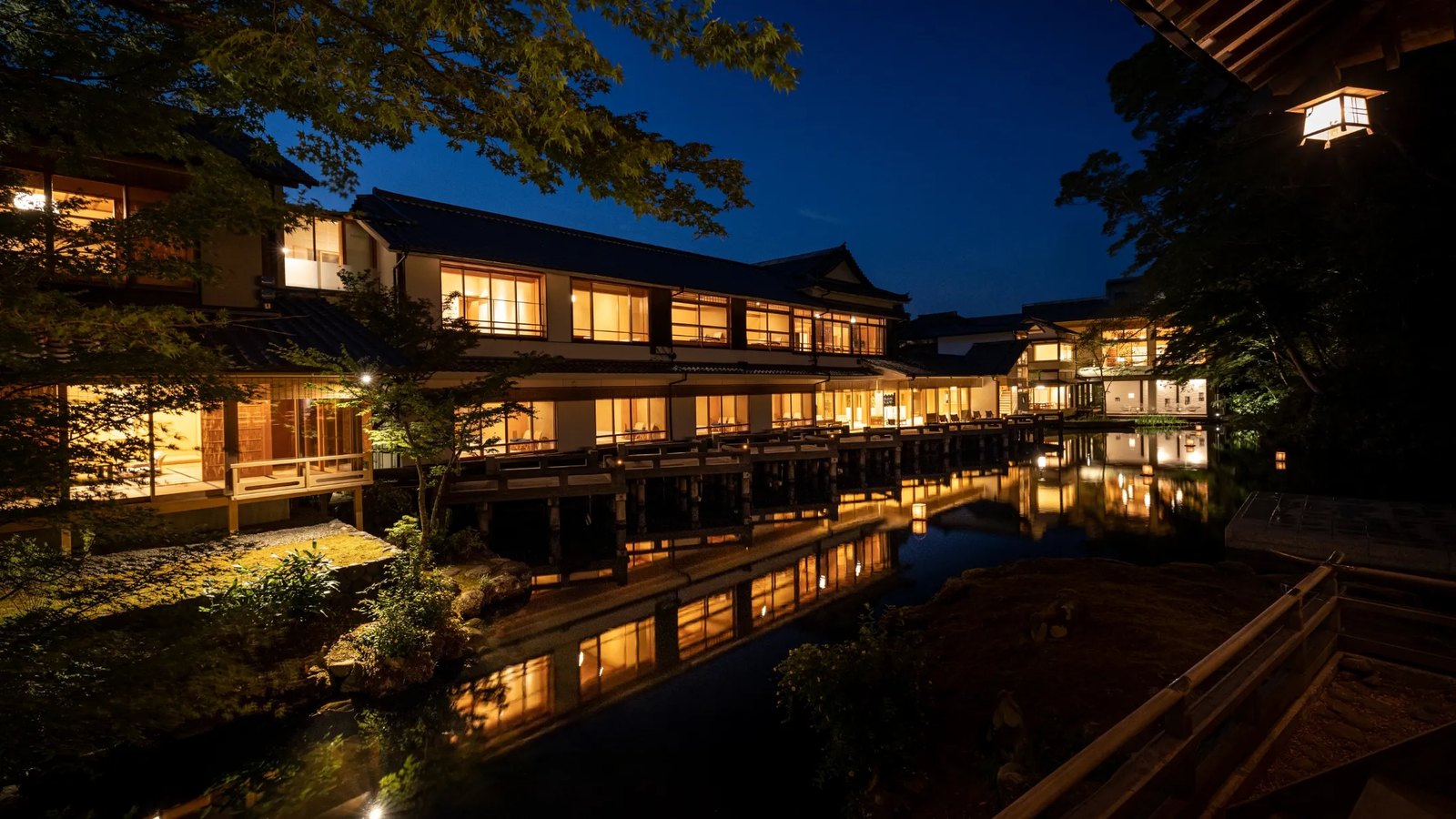
Asaba, in Shuzenji on the Izu Peninsula, has been run by one family since 1484. Its twelve rooms look onto a pond ringed with bamboo, and in the pond stands the Gekkeiden, a Noh stage moved from Tokyo in the Meiji era, where performances of Japan's classical masked drama are still given. Dinner and breakfast are served in the room by a server of your own. It holds three Keys; renovation works continue until 21 March 2027, with eight rooms open meanwhile.
Mount Fuji, and a valley of your own
Gora Kadan Fuji, the younger house of Gora Kadan, opened on 20 July 2025 at the eastern foot of Mount Fuji and looks due west at the summit. It is larger and newer than a classic inn, with 42 suites, each with its own bath, four Japanese kitchens and two Keys: the choice when the mountain is the reason for the trip. Fuji is clearest in winter and often hidden in summer cloud.
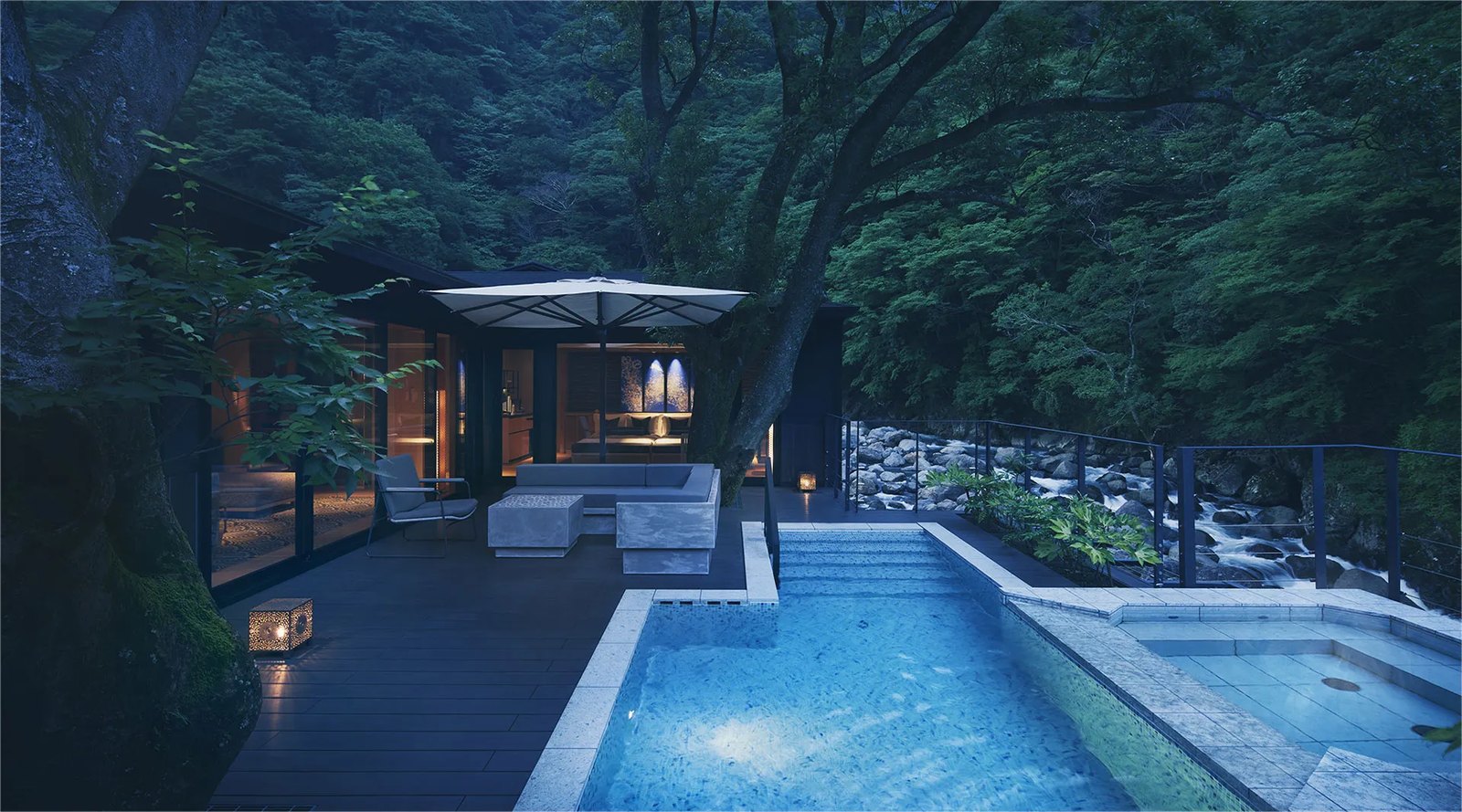
ESPACIO The Hakone Geihinkan is nine villas at the bottom of a valley in Miyanoshita, reached by the hotel's own cable car. Each has its own bath, filled from the Dogashima hot spring, and is decorated by a different craftsman; dinner, in the spirit of the meal served at a tea ceremony, is brought to the villa. It has one Key, and it is the most expensive of the six.
With children, and in the city
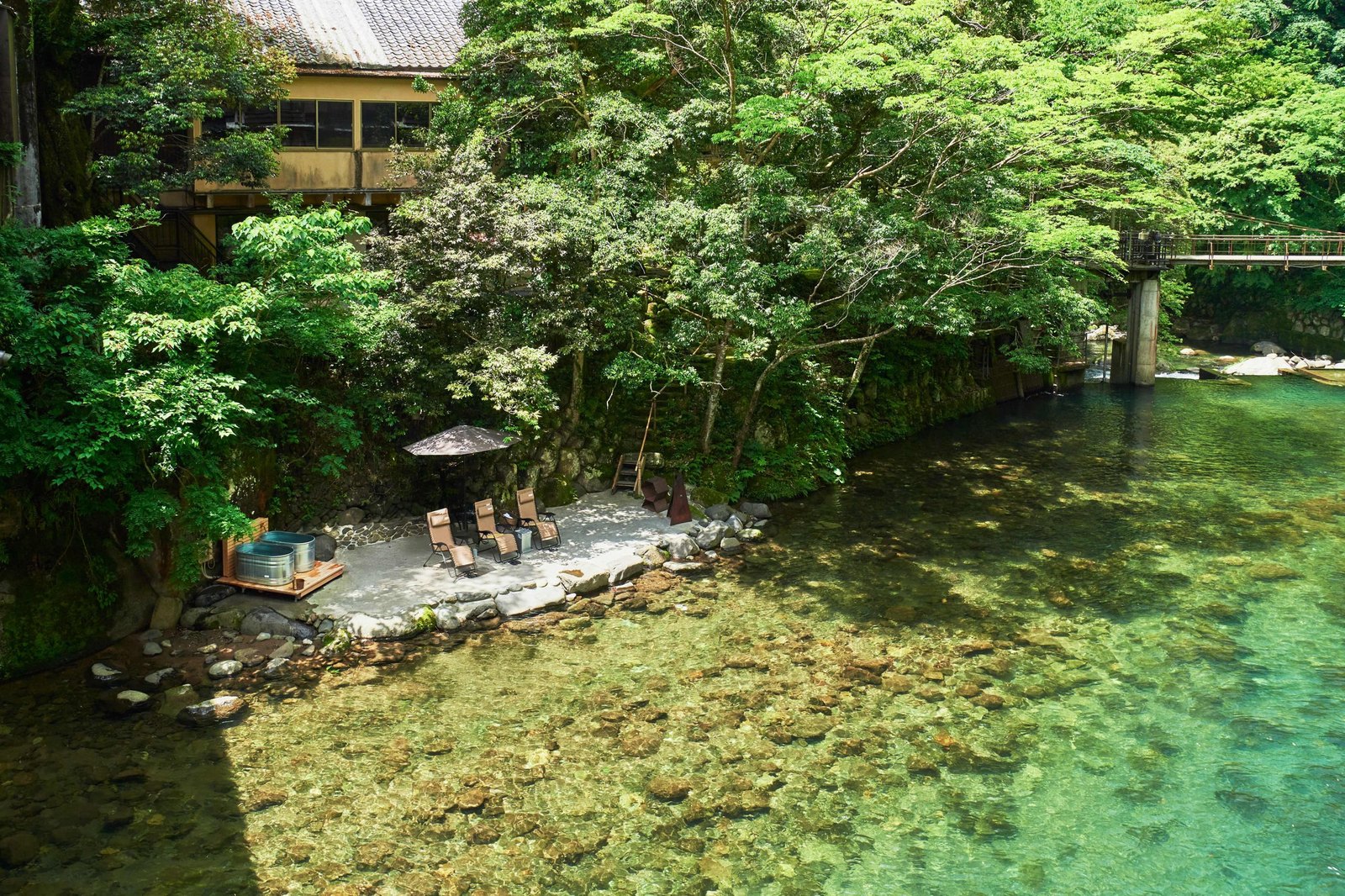
Many of the great ryokan set a minimum age. Ochiairo, founded in 1874 where two rivers meet in the mountains of Yugashima, welcomes children and prepares meals for them on request. Its wooden buildings are a registered cultural property; the novelist Hayashi Fumiko wrote about one of its riverside rooms. Meals are taken in the restaurant rather than in the room. It has one Key.
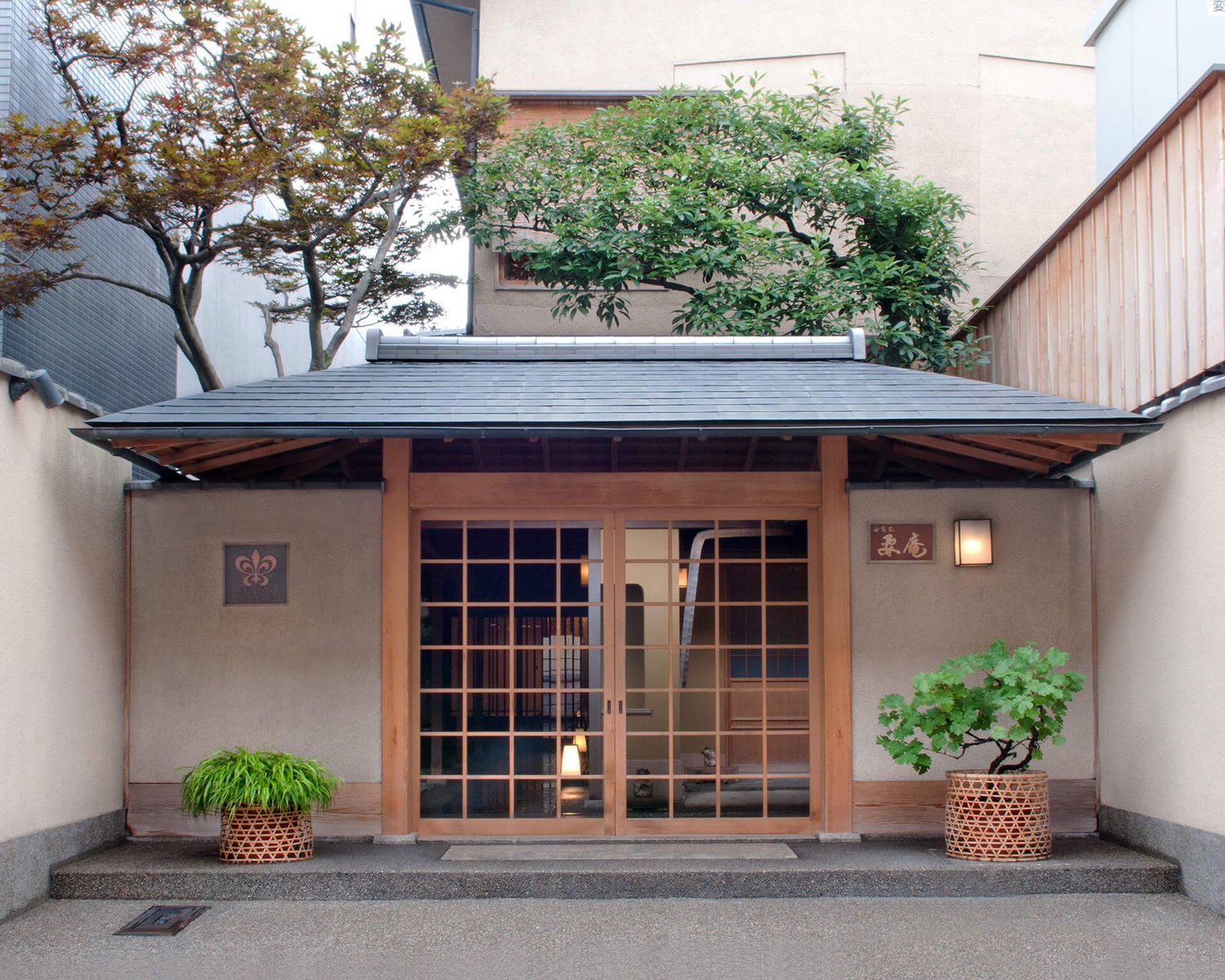
In Kyoto, a ryokan can be part of the city. Kanamean Nishitomiya, on Tominokoji downtown, is eight sukiya-style rooms around a garden, kept by the same family since 1873, with a kaiseki kitchen that holds one MICHELIN Star. It is the exception to the rule on meals: dinner is not included in the rate. It holds two Keys.
How we chose these ryokan
All six hold a MICHELIN Key in the Guide's current selection and are scored on the public Unlisted Index. Facts come from each inn's own website and its MICHELIN Guide page, read on 9 November 2026. Inclusion is editorial and never paid for. For the whole route, from Tokyo to Kyoto, see our guide to where to stay in Japan.
Frequently asked questions
What is the difference between a ryokan and a hotel?
A ryokan is a traditional inn: tatami rooms, futons, a yukata, hot-spring baths, and dinner and breakfast included, usually at fixed times. A hotel charges for the room, and you eat where you like.
Can you stay in a ryokan with tattoos?
It depends on the inn: some refuse tattoos in the shared baths, some ask that they be covered, some do not mind. Ask before booking, or choose a room with its own bath.
Are ryokan suitable for children?
Some are. Several of the great inns set a minimum age; Ochiairo, in Izu, welcomes children and prepares meals for them on request.
Where is the best ryokan near Tokyo?
Hakone is the closest hot-spring country to Tokyo, about ninety minutes away: Gora Kadan holds three MICHELIN Keys. For Mount Fuji from the room, Gora Kadan Fuji, at the mountain's eastern foot.
Stays in this story
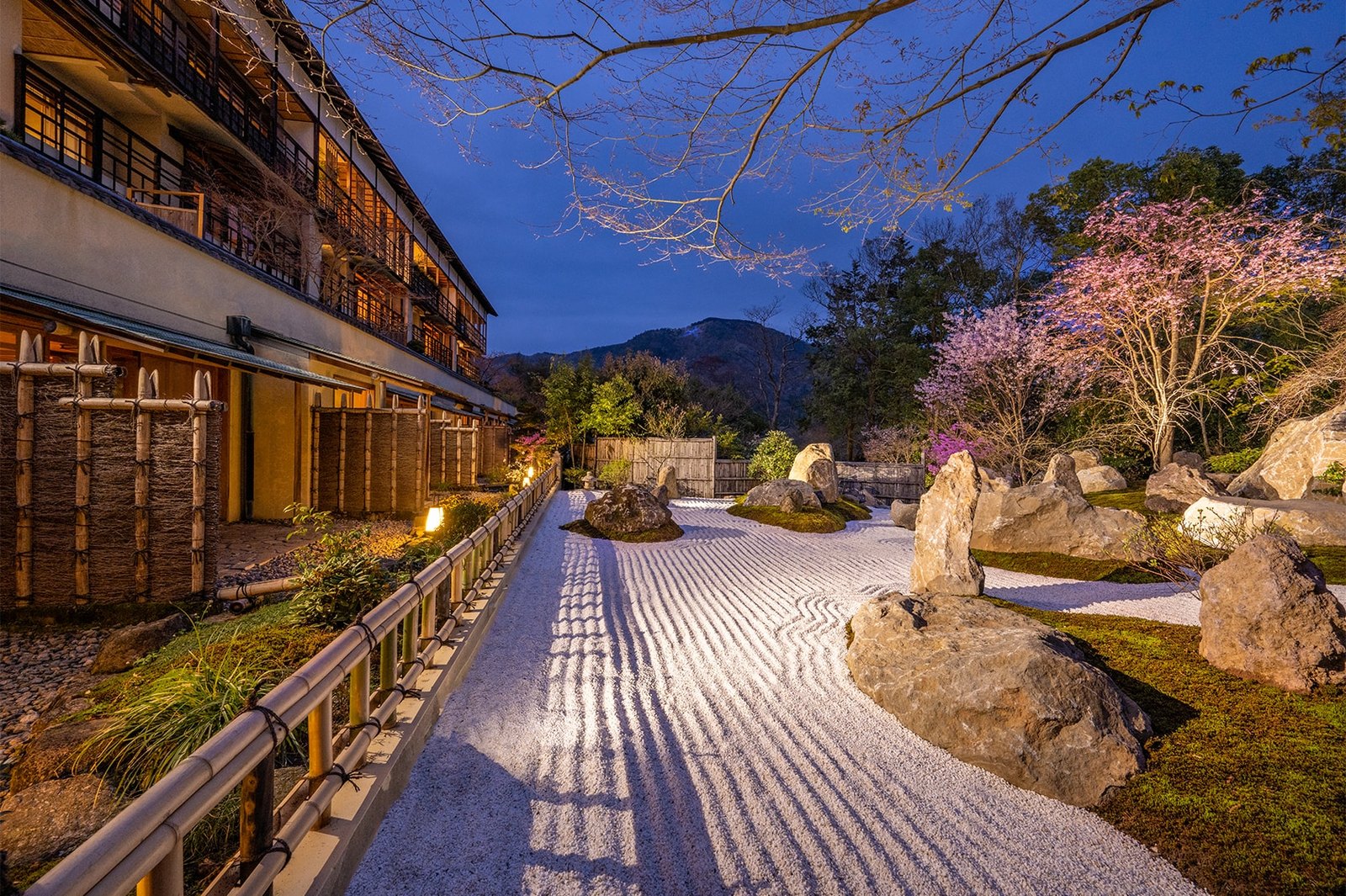
Gora Kadan
Gora, Hakone, Japan
from €1050 / night
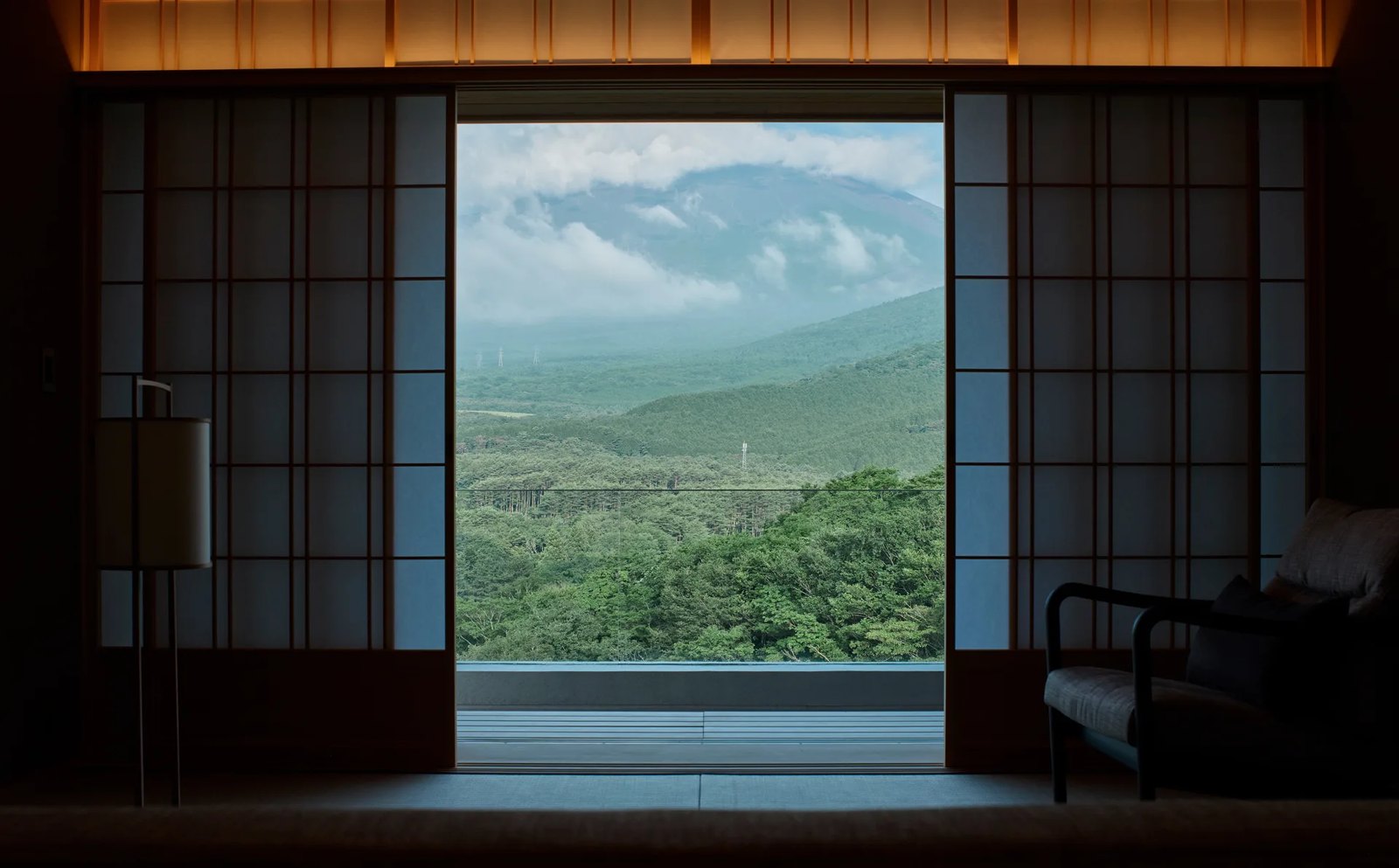
Gora Kadan Fuji
Oyama, Mount Fuji, Japan
from €1250 / night
ESPACIO The Hakone Geihinkan Rin-Poh-Ki-Ryu
Miyanoshita, Hakone, Japan
from €2268 / night