Where to stay in the Douro Valley: 5 wine hotels by area
Compare Douro wine hotels from Régua to the Douro Superior — resort spa, working quinta or remote retreat — with honest notes on driving, trains and harvest season.
By The Unlisted Editorial Team · 4 September 2026 · 11 min read
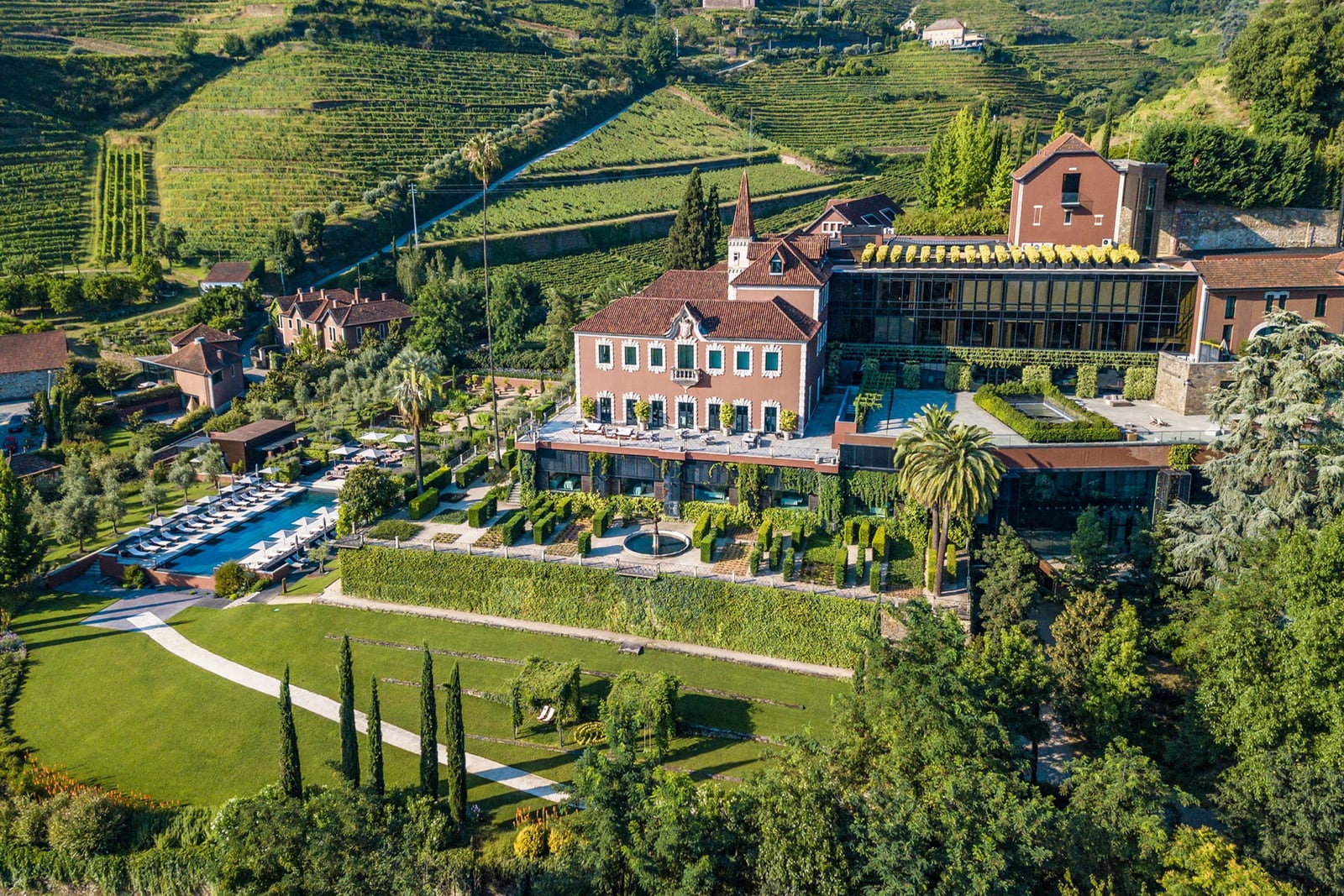
Choose Six Senses Douro Valley for a complete spa resort and a first visit, Torel Quinta da Vacaria for contemporary comfort near Régua, Quinta Nova Winery House for an intimate working winery, Ventozelo for a rural estate at a moderate price, or Casa do Rio for isolation in the Douro Superior. Harvest generally falls in September and can run into October.
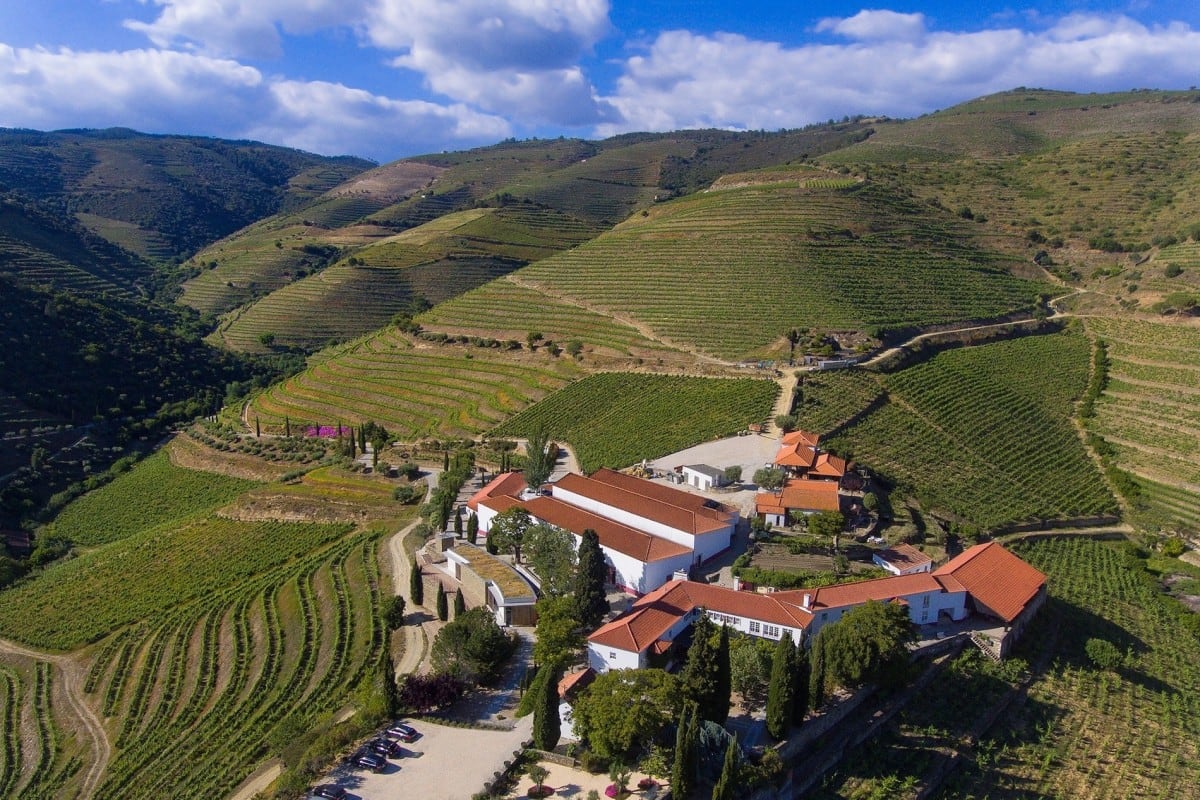
The Alto Douro is a working landscape before it is a holiday one: terraced vineyards cut into schist above a river that bends through them, farmed for centuries and protected as a UNESCO World Heritage site. It rewards restraint. The useful question is not how many quintas you can fit into a day, but what kind of hotel you want to spend most of your time in.
Three stretches matter. Régua is the practical gateway; the corridor towards Pinhão places the famous estates within reach; and the Douro Superior, further east, trades convenience for a drier, emptier landscape. This selection is based on independent editorial research and official estate information rather than first-person stays.
Régua and the gateway: easiest access, contemporary comfort
Peso da Régua is where the valley becomes reachable — road, rail line and river all converge. Basing yourself here shortens every transfer and makes a two-night trip viable.
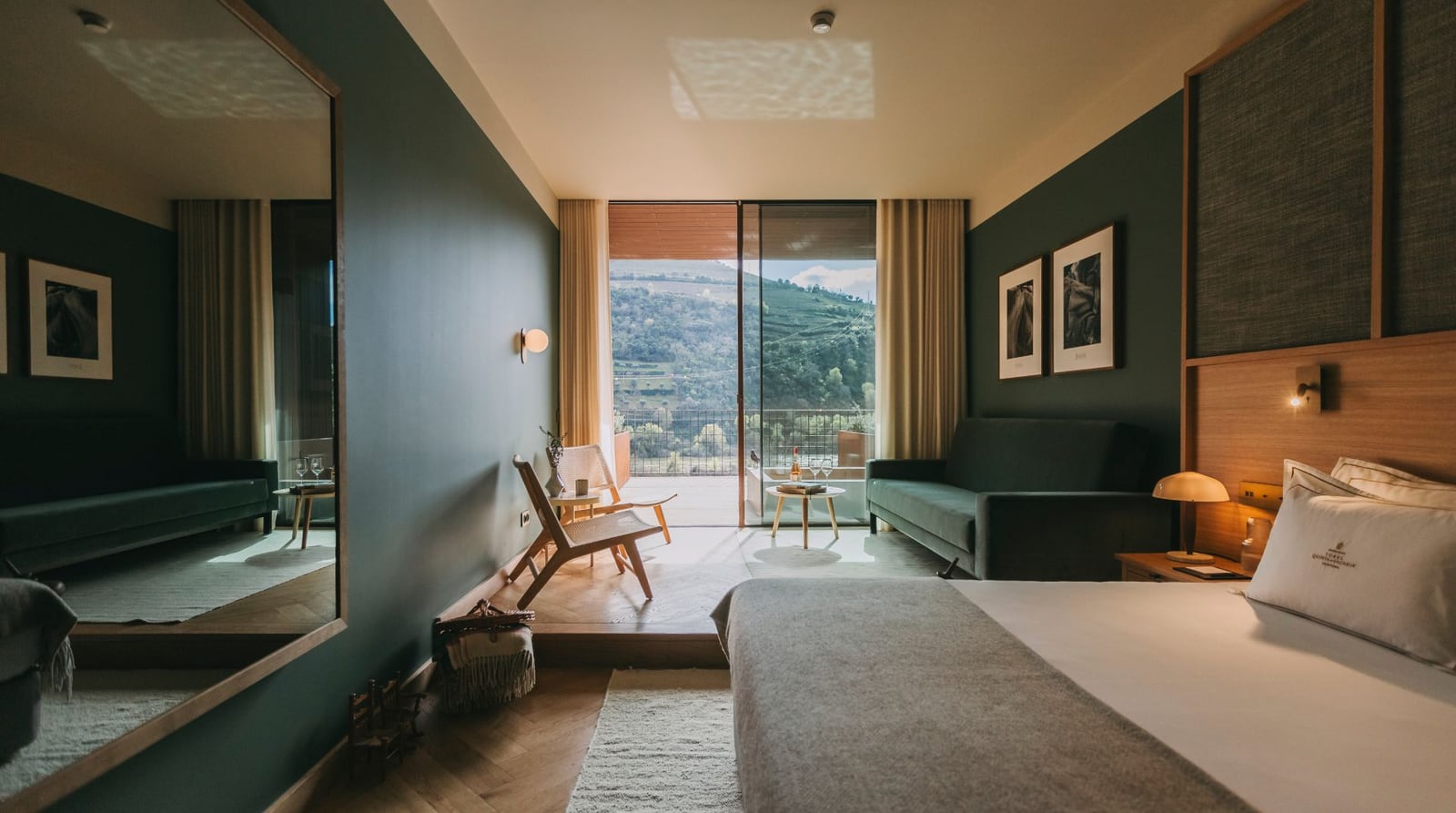
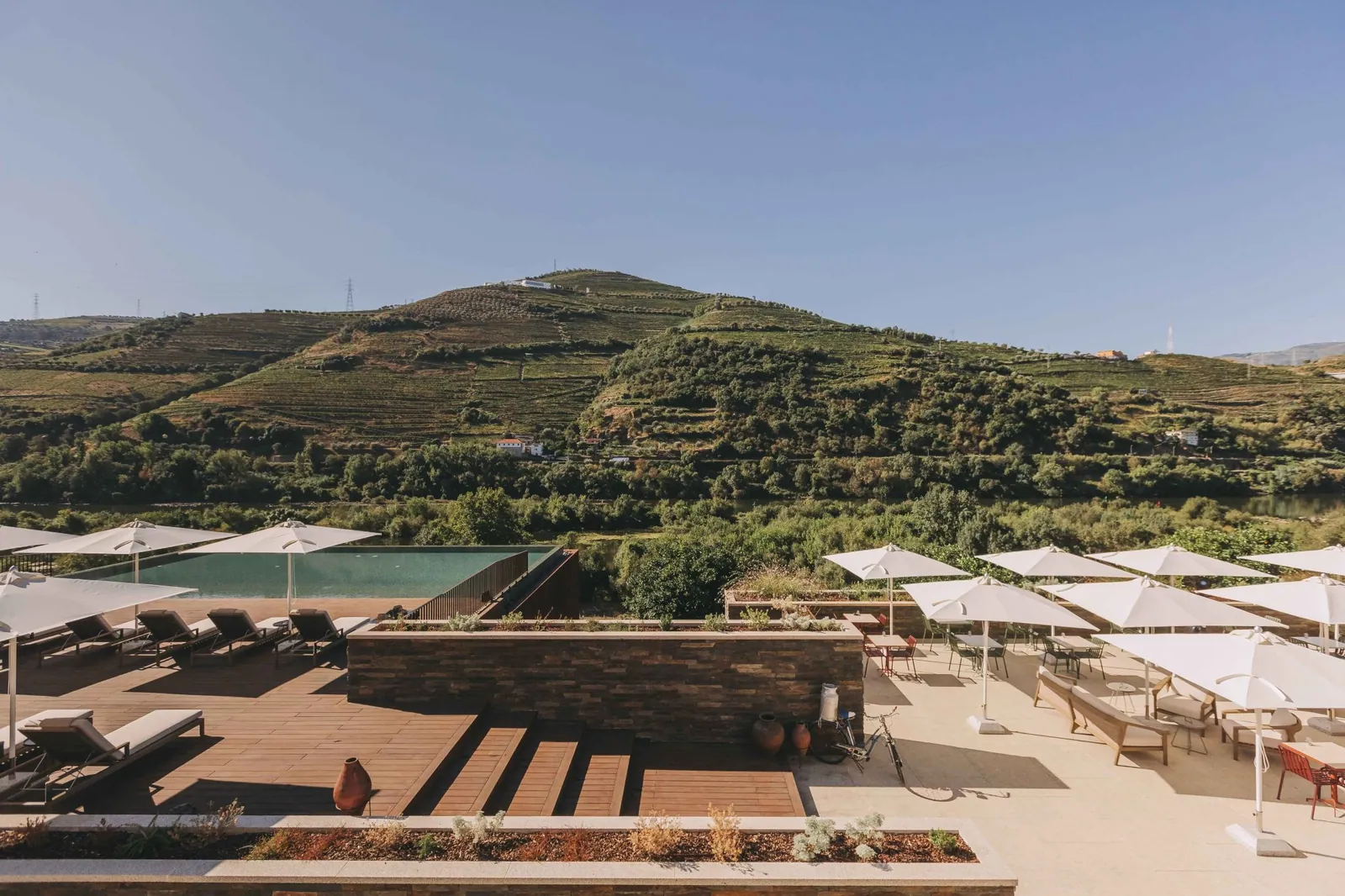
Torel Quinta da Vacaria is the polished newcomer: 33 rooms on a vineyard whose history reaches back to 1616, pairing broad river panoramas with a spa and ambitious cooking. It occupies the space between an intimate wine hotel and a full destination resort, which is often exactly what a first-time visitor wants.
The central corridor: resort spa or working quinta
Between Régua and Pinhão the valley reaches its most photographed form, and the two strongest hotels here answer opposite briefs.
Six Senses Douro Valley is the valley's most complete luxury resort: a restored manor above the river with 71 rooms, suites and villas, a serious spa and unusually deep wine programming. It costs more and feels larger than the quintas, and in exchange it removes almost every logistical rough edge — which is the whole argument for it.
Quinta Nova Winery House argues the other side: eleven rooms in a historic Relais & Châteaux estate with 1.5 kilometres of riverfront and vineyard trails from the door. You understand one estate properly instead of touring the valley at speed. There is no large spa and no choice of restaurants without driving; that is the trade.
Ervedosa and the Douro Superior: rural, and then remote
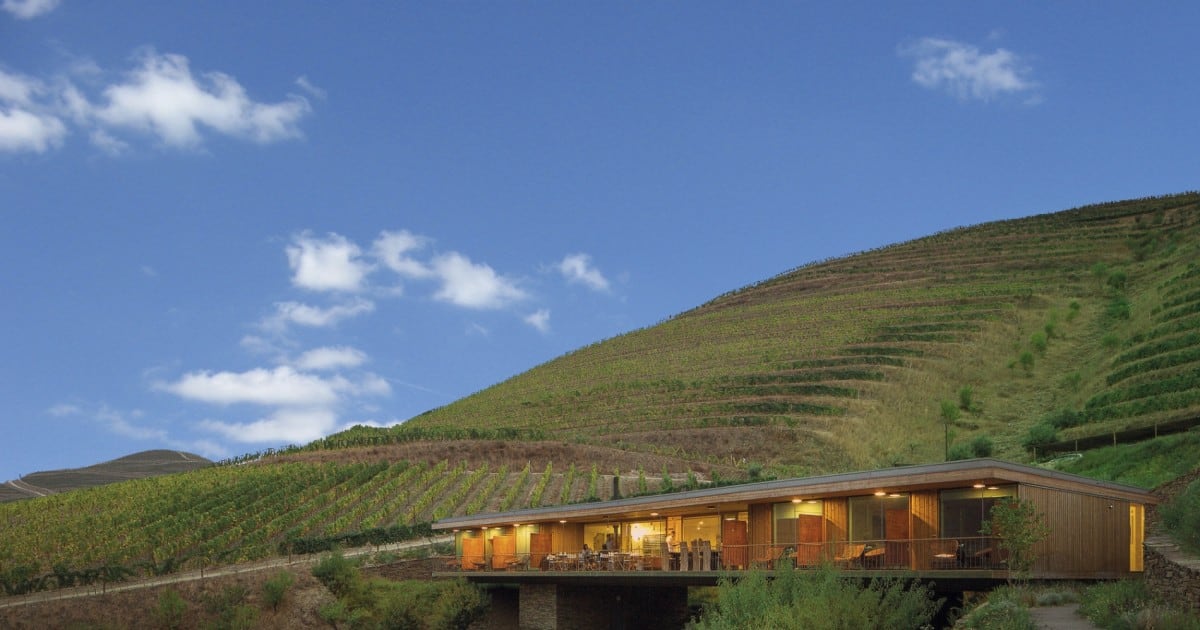
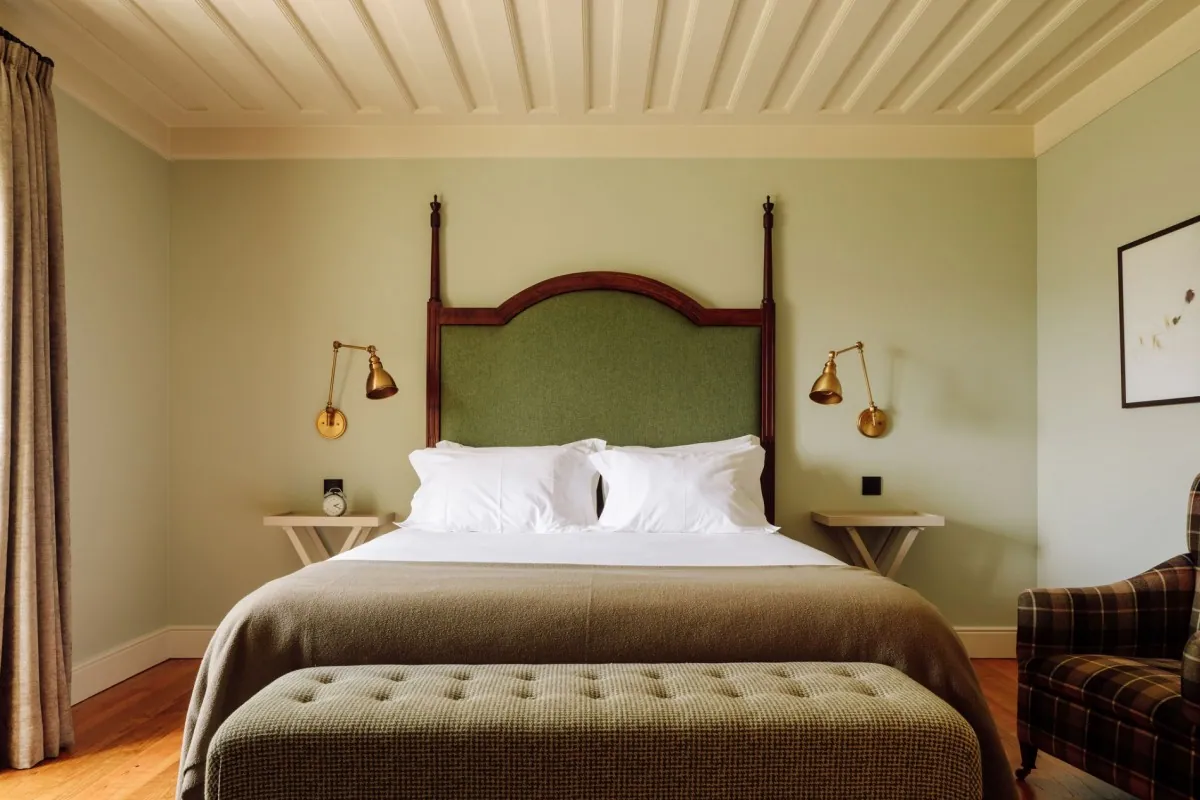
Ventozelo sits above the river at Ervedosa do Douro on a large working estate where walking routes, farming, food and restored estate buildings explain the landscape better than a tasting does. The mood is rural and educational rather than resort-polished, and the price is more moderate than the marquee names.
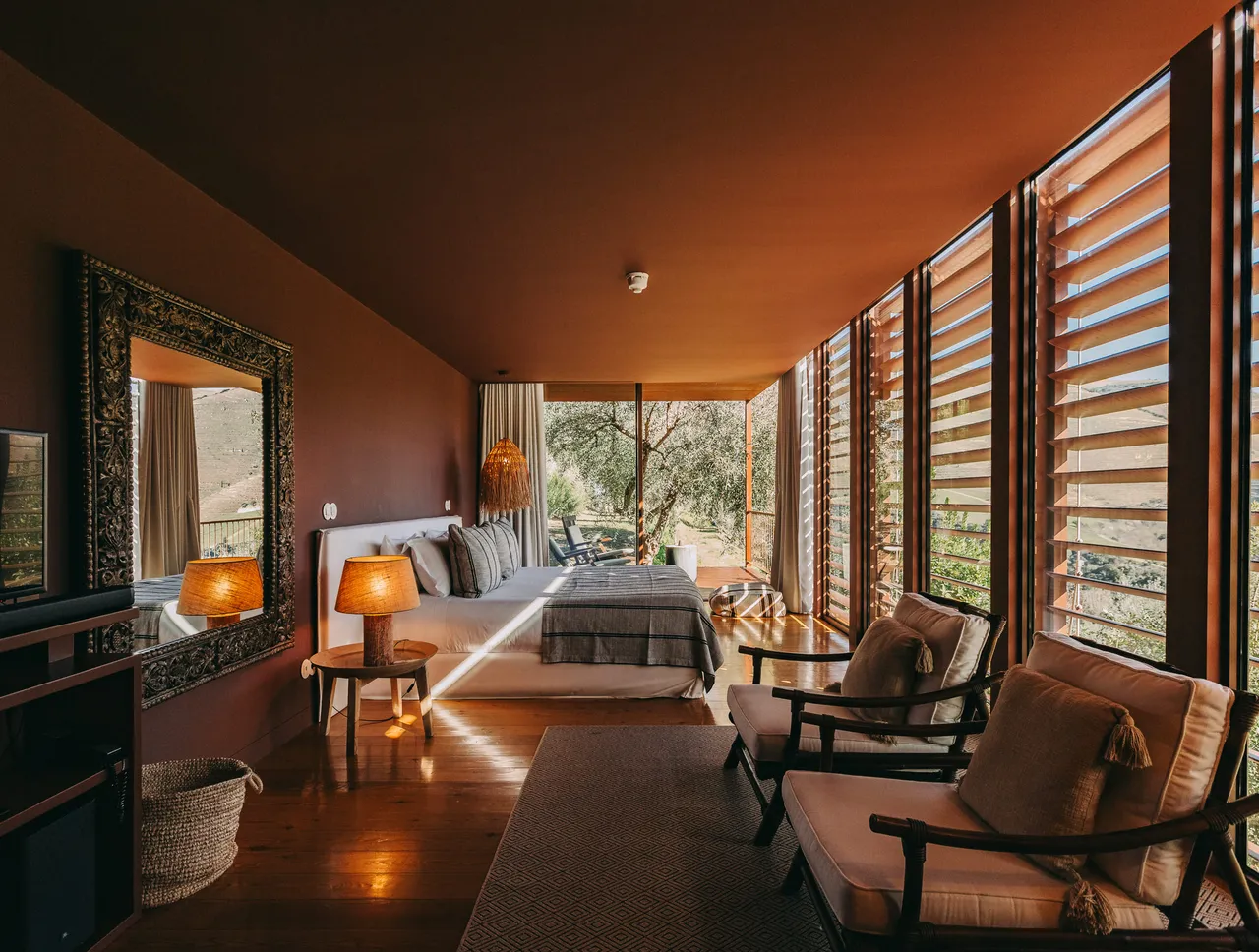
Further east, Casa do Rio is Quinta do Vallado's intimate outpost in the Douro Superior, between organic vineyards and the river. The long drive buys real silence and a landscape far less visited than the Régua–Pinhão corridor. It is the wrong choice for a first two-night trip and the right one for a return.
Driving, the train, and when to come
You do not necessarily need a car. The Porto–Régua–Pinhão line and pre-arranged transfers can produce an excellent wine trip without driving, and given that tastings are the point, a driver or hotel-organised excursions are the wiser choice for many guests. Narrow, slow roads make the map optimistic.
April to June and September to October are the strongest months. Harvest generally falls in September and can extend into October depending on the year and the estate — it brings energy, colour and, predictably, demand. If harvest is the reason for the trip, confirm that a hotel offers genuine participation rather than a generic tasting billed as one.
Two nights work for one hotel and one focused wine day. Three are markedly better: a day for estates or the river, a day for the hotel's own landscape, and enough margin for slow roads. Choose Six Senses for spa and polish, Torel for contemporary comfort and access, Quinta Nova for wine-first intimacy, Ventozelo for rural depth and value, and Casa do Rio for isolation.
Frequently asked questions
Where should a first-time visitor stay in the Douro Valley?
The central corridor around Régua and Pinhão offers the best balance of scenery, wineries and access. The Douro Superior is more remote and suits a return visit or a longer road trip rather than a first two-night stay.
Do you need a car in the Douro Valley?
Not necessarily. The Porto–Régua–Pinhão train and pre-arranged transfers can produce an excellent wine trip without driving. A car adds flexibility, but narrow roads and tastings make a driver or hotel-organised excursions the wiser option for many guests.
When is harvest season in the Douro?
Harvest generally falls in September and can extend into October depending on the year and the estate. It brings energy and colour but also demand; confirm whether a hotel offers genuine harvest participation rather than a generic tasting.
Are two nights enough in the Douro Valley?
Two nights work for one hotel and one focused wine day. Three nights are markedly better: one day for estates or a boat, one for the hotel's spa and landscape, and enough margin for slow roads.
How far is the Douro Valley from Porto?
Régua is the usual gateway and the closest of these bases to Porto; the Douro Superior lies substantially further east. Allow meaningfully more time than the distance suggests, because the valley roads are narrow and slow.