Where the stays are
Destinations in Iceland
Introducing Iceland
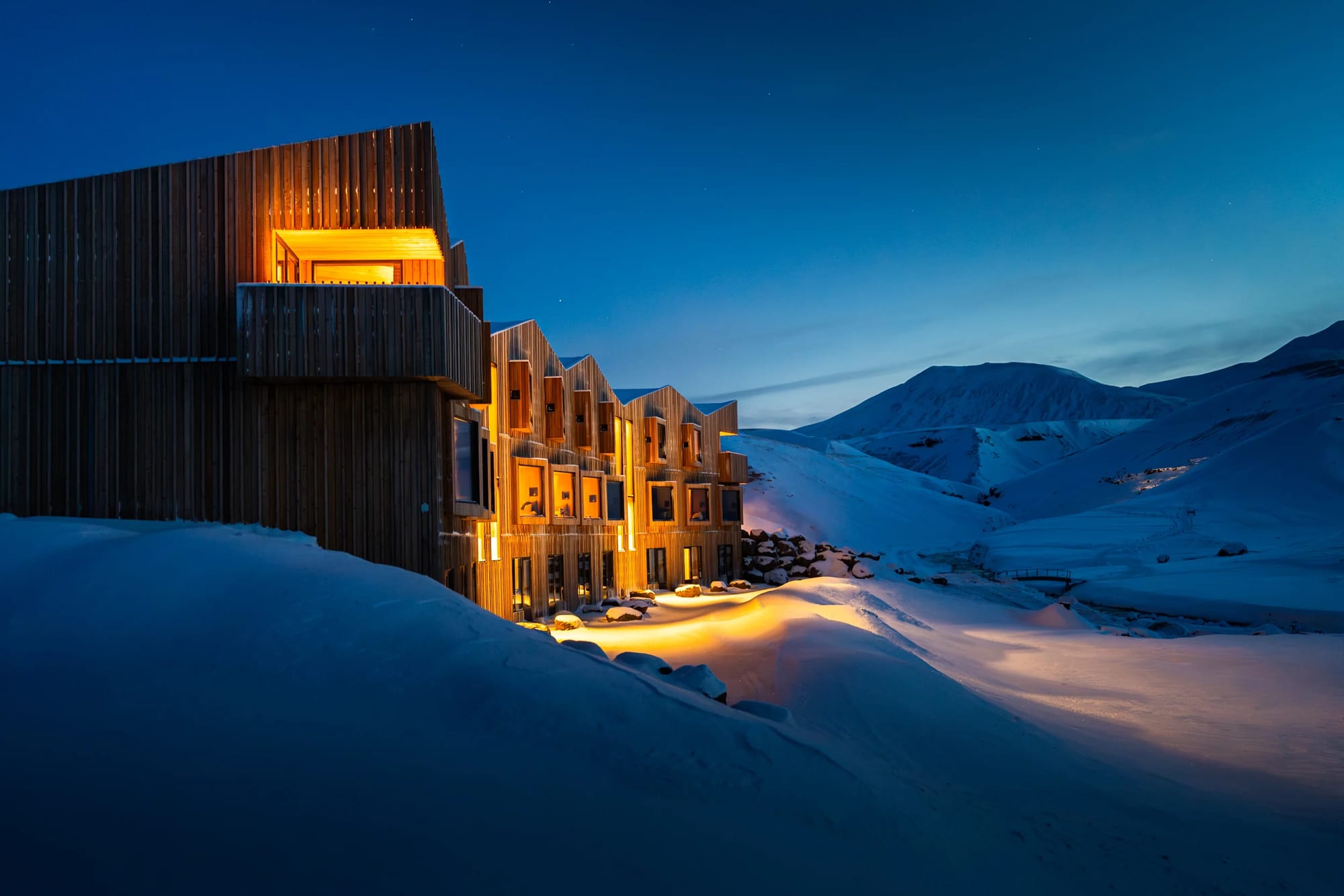
Iceland is a young volcanic island in the North Atlantic, where lava fields, glaciers and geothermal water sit within a day's drive of each other. In winter the days are short and the nights are long enough for the northern lights, and the hot springs are at their best in the cold. We begin in the south-west, where most journeys start: a lagoon hotel in the lava with two MICHELIN Keys, an aurora lodge on the southern plain, a base in the Highlands and the capital's design hotel.
See all 4 hotels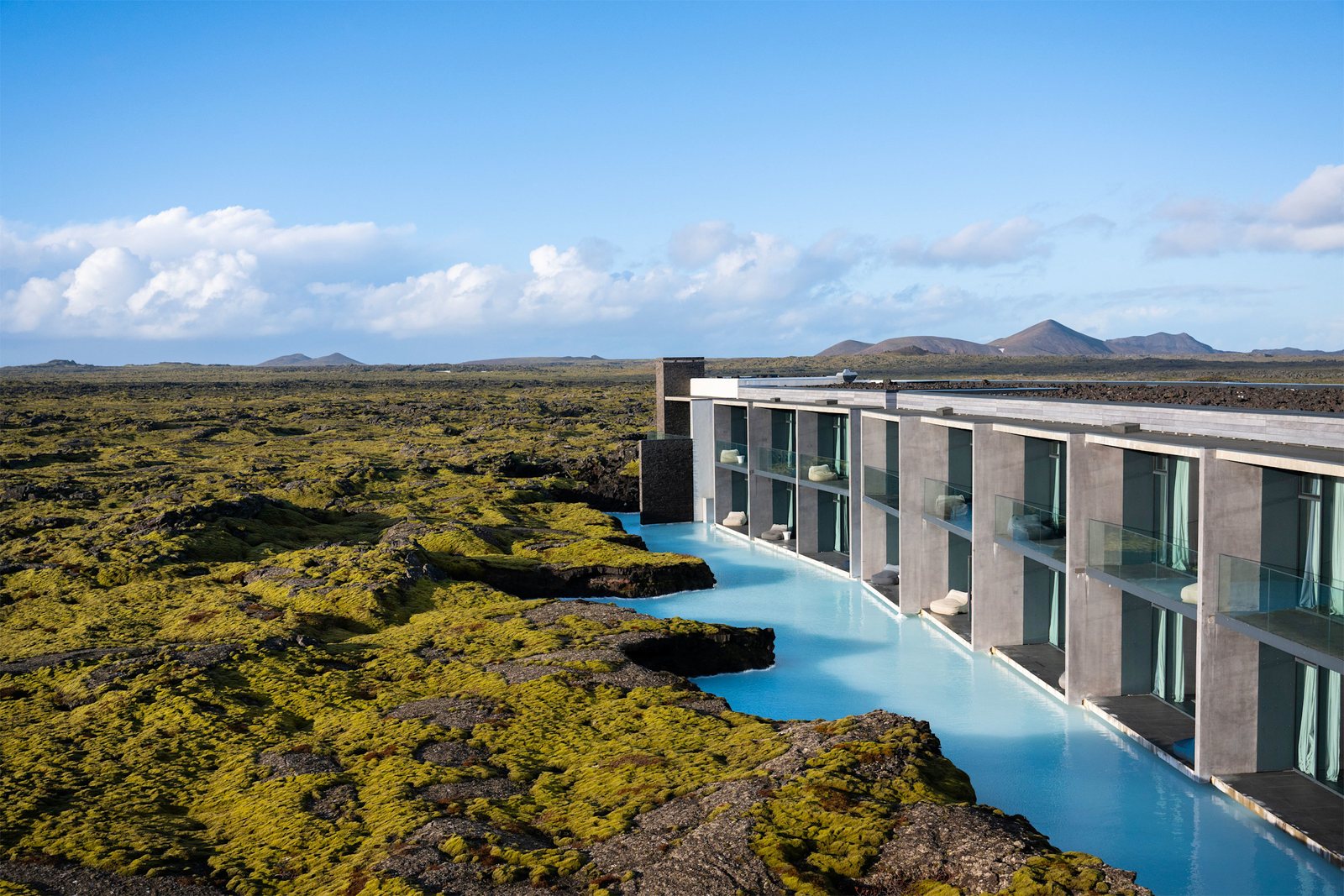
Your travel notes
Currency
The Icelandic króna, not the euro. Cards are taken everywhere; cash is rarely needed, and prices are high.
Food and meal times
Lamb raised on the open hills, Arctic char and cod, langoustine from the south-east, skyr, and vegetables from geothermal greenhouses.
Getting around
Fly into Keflavík, forty-five minutes from Reykjavík. A car is the usual way around; in winter, rent a 4×4 and check road.is before every drive.
Tipping
Not customary; service is included in the bill.
When to go
September to April for the northern lights, with only four or five hours of daylight in Reykjavík around the winter solstice. June to August for the Highlands and the midnight sun.
Tips for travel in Iceland
When is the best time for the northern lights in Iceland?
From September to April, on clear nights away from Reykjavík's lights. The Icelandic Met Office publishes aurora and cloud forecasts.
Is it safe to drive in winter?
On the main roads, with care and a 4×4: check road.is and safetravel.is every day, and leave the Highland roads to super-jeep transfers.
Is the Blue Lagoon affected by the eruptions?
Eruptions on the Reykjanes peninsula have closed it several times since 2023. Check its notices before you travel.