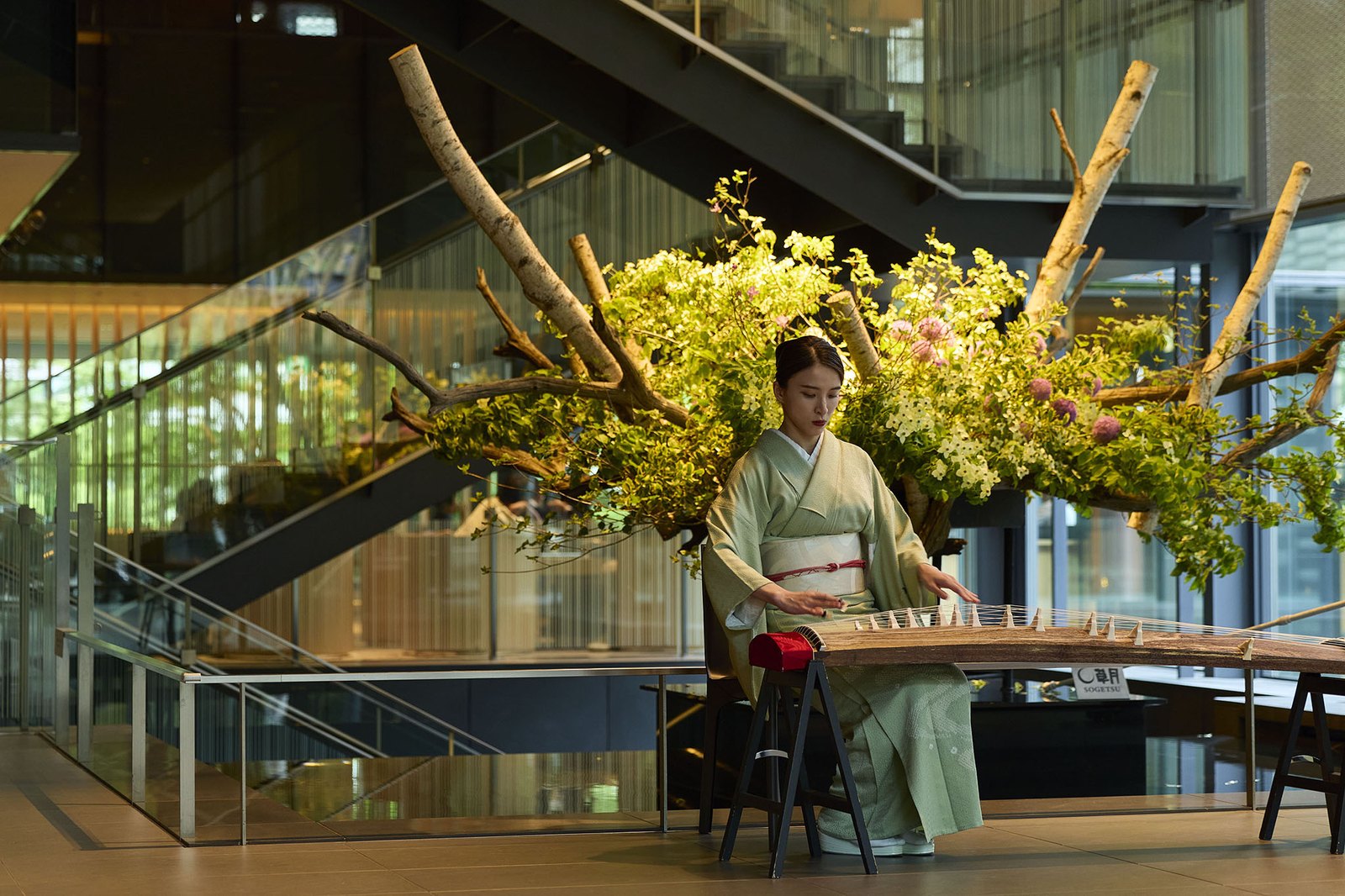
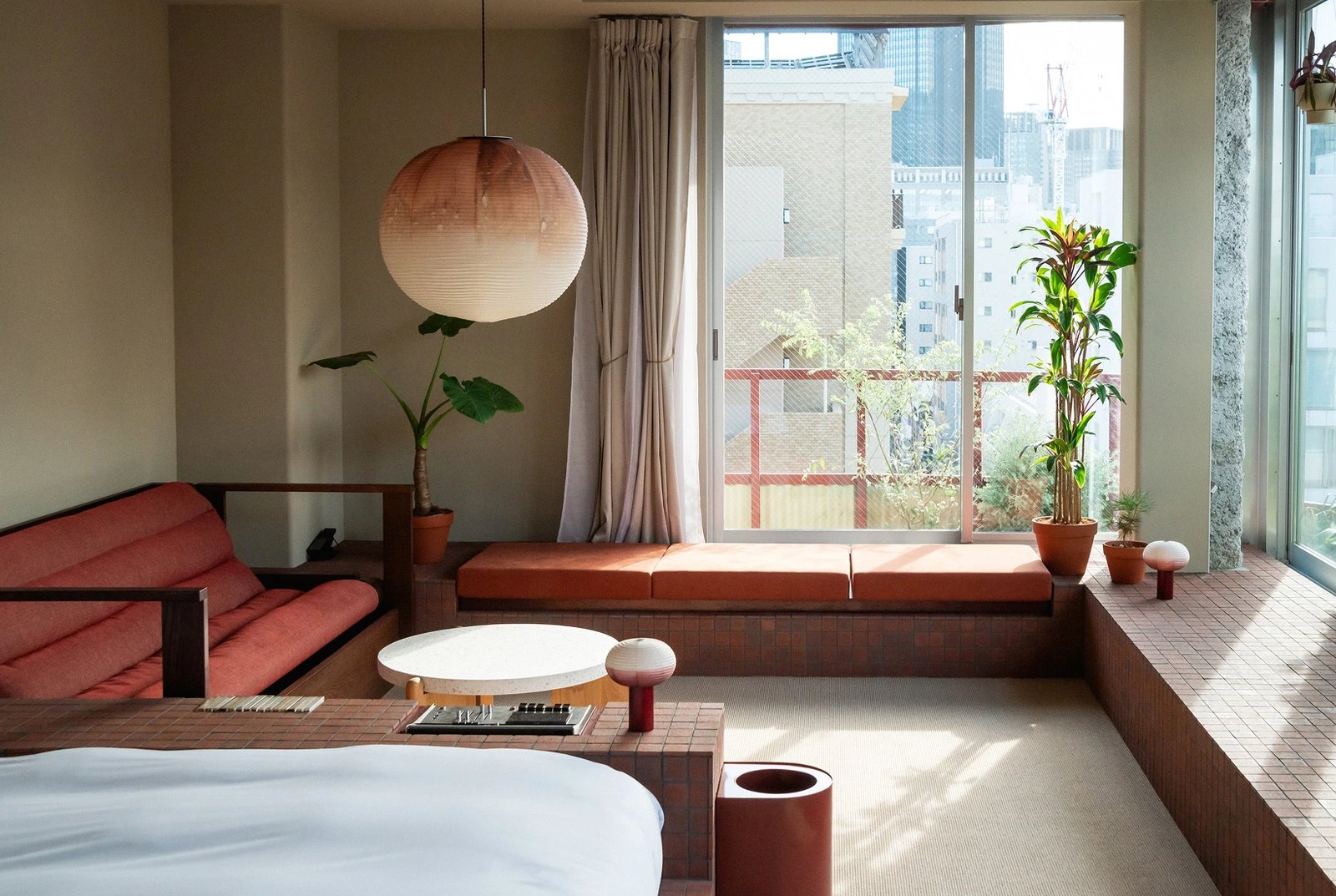
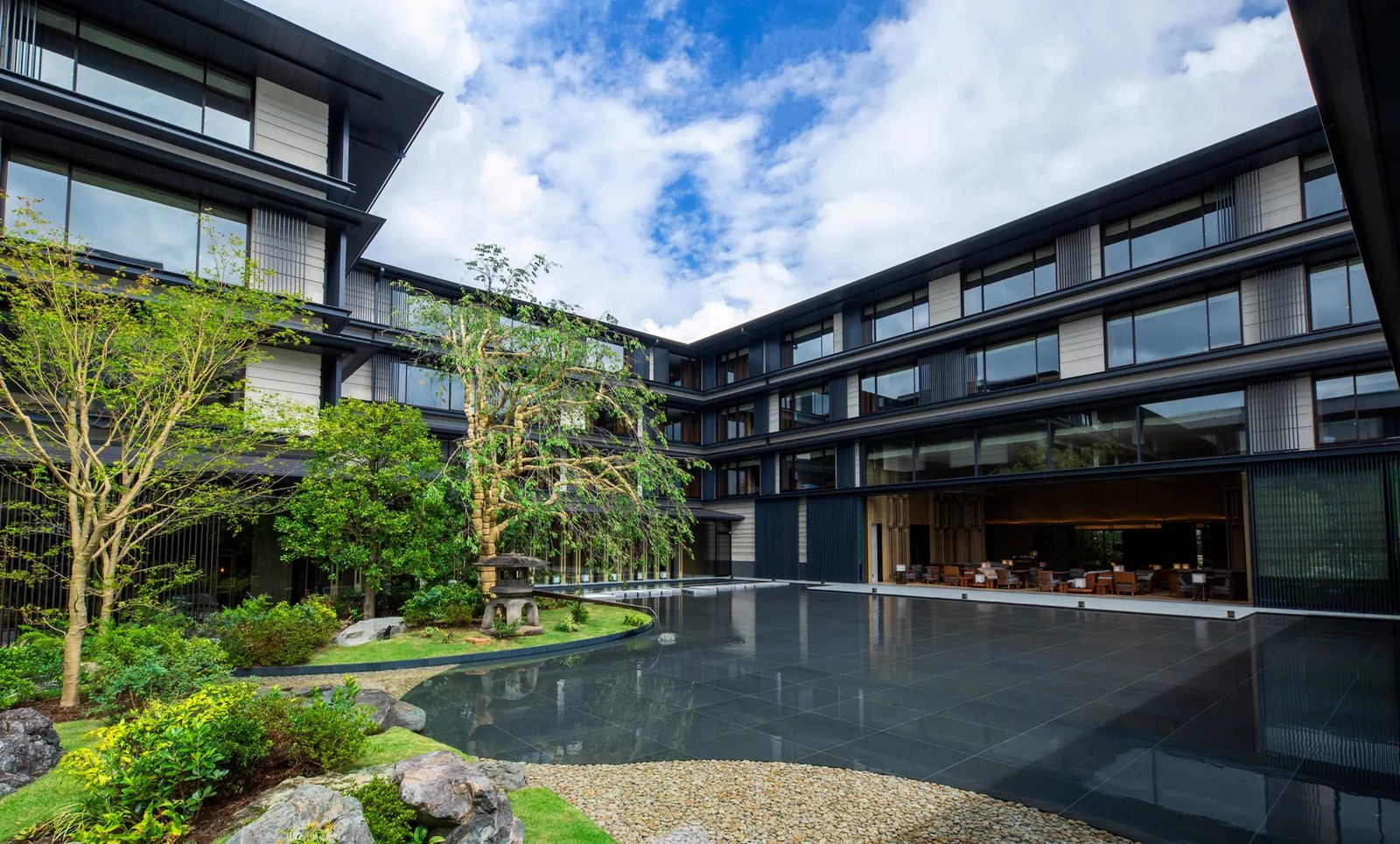
Three MICHELIN KeysOn the Imperial Palace moat
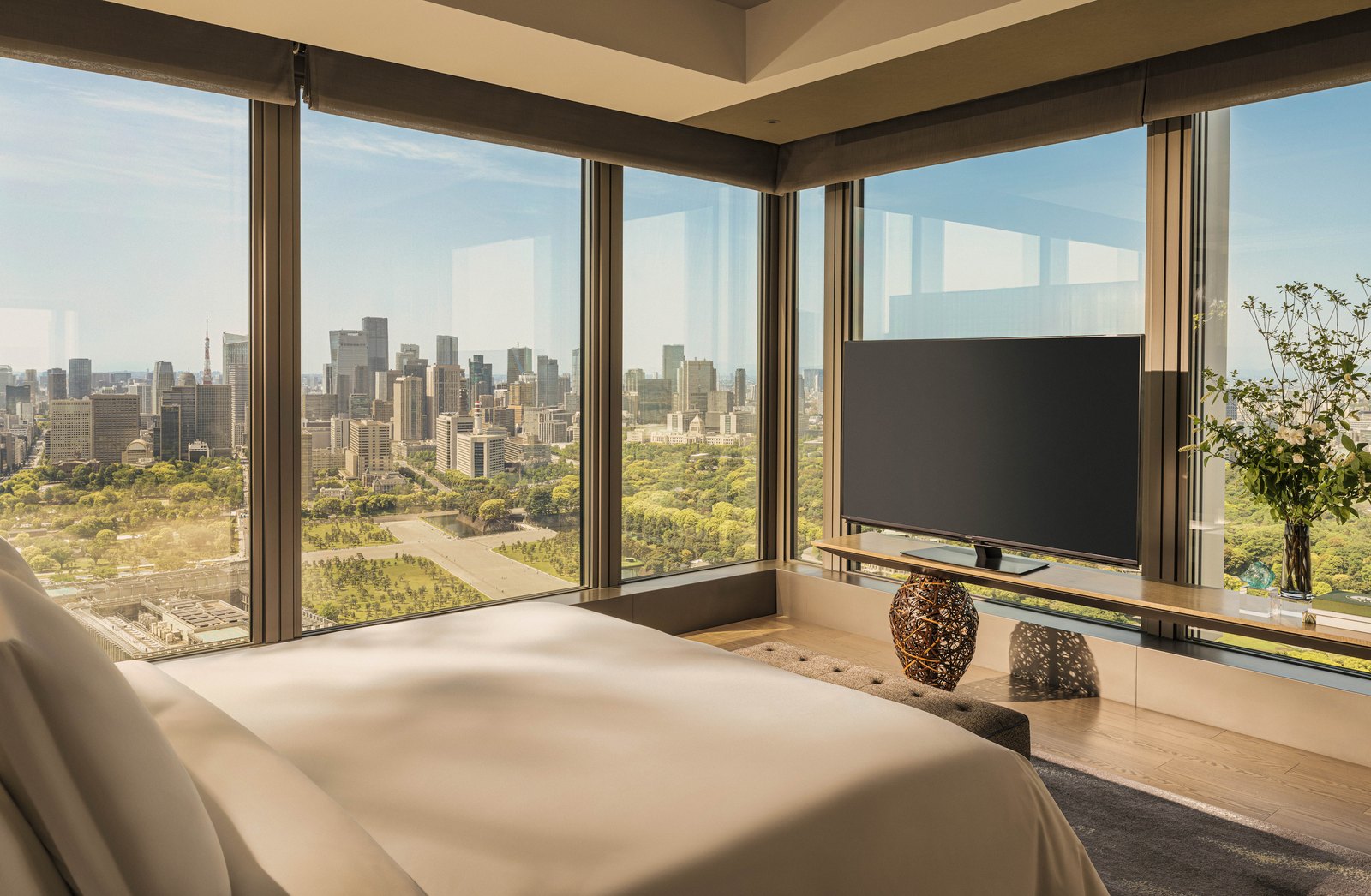
Palace Hotel Tokyo
Marunouchi, Tokyo, Japan
from €1104 / night
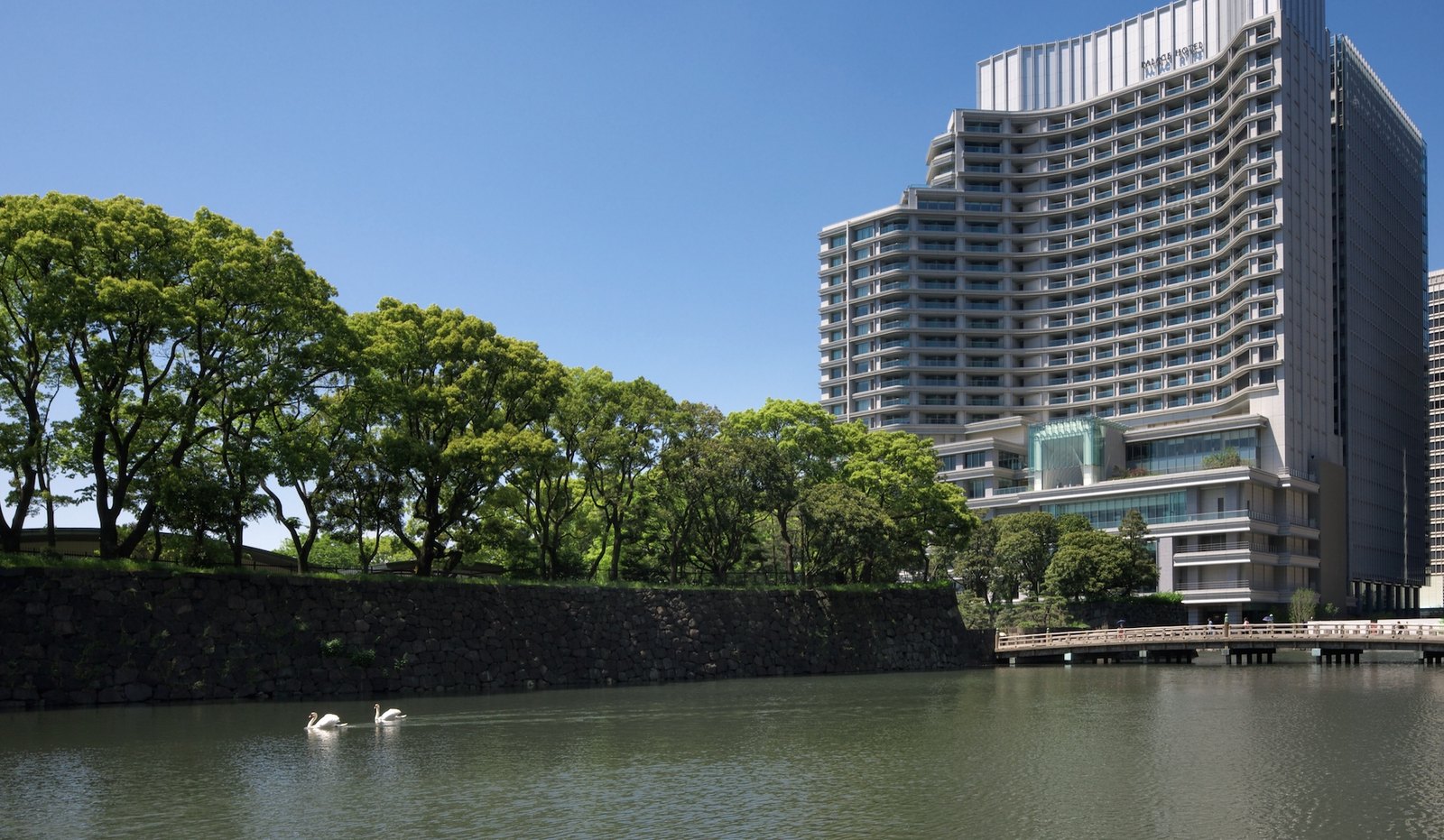
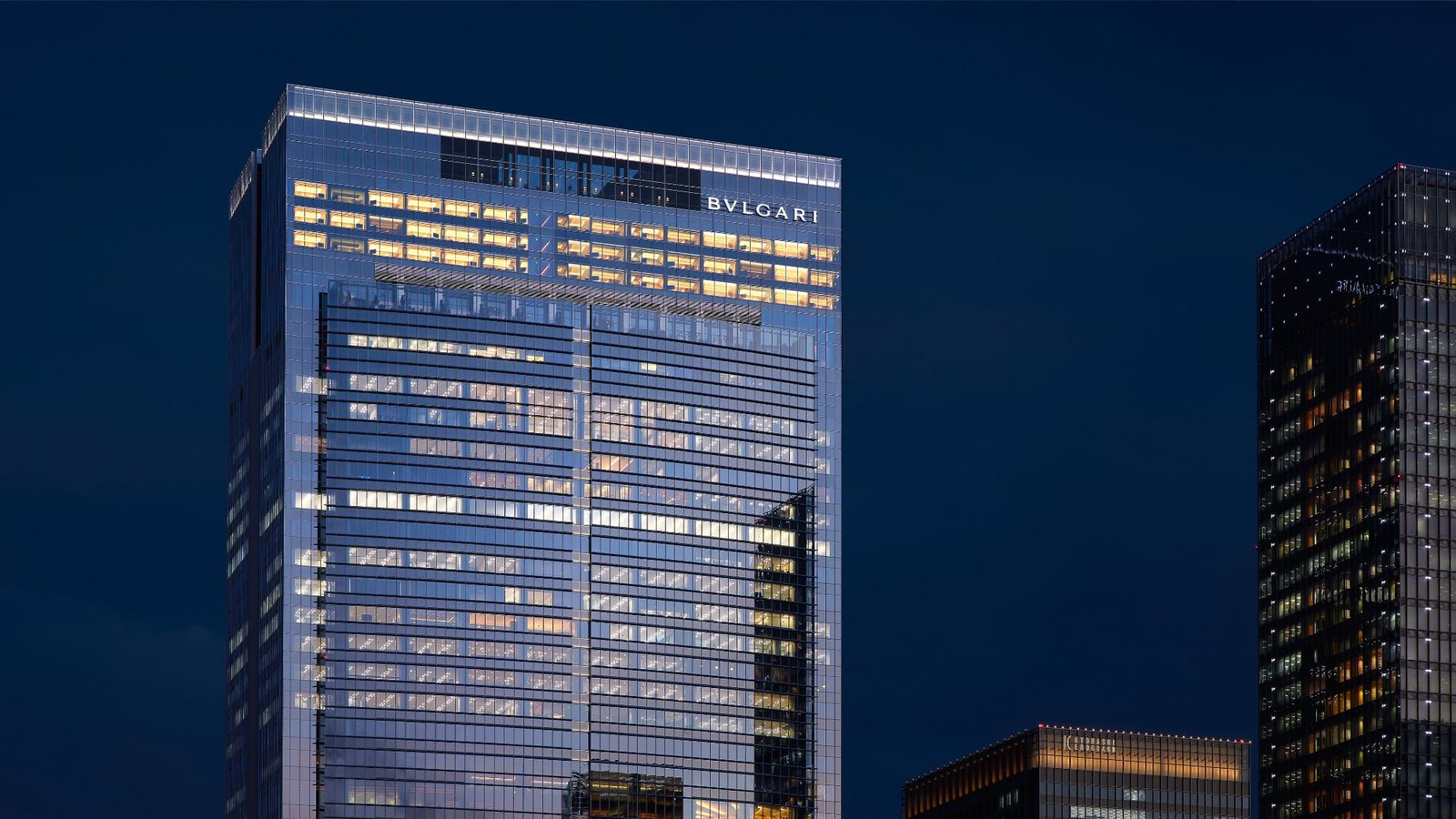
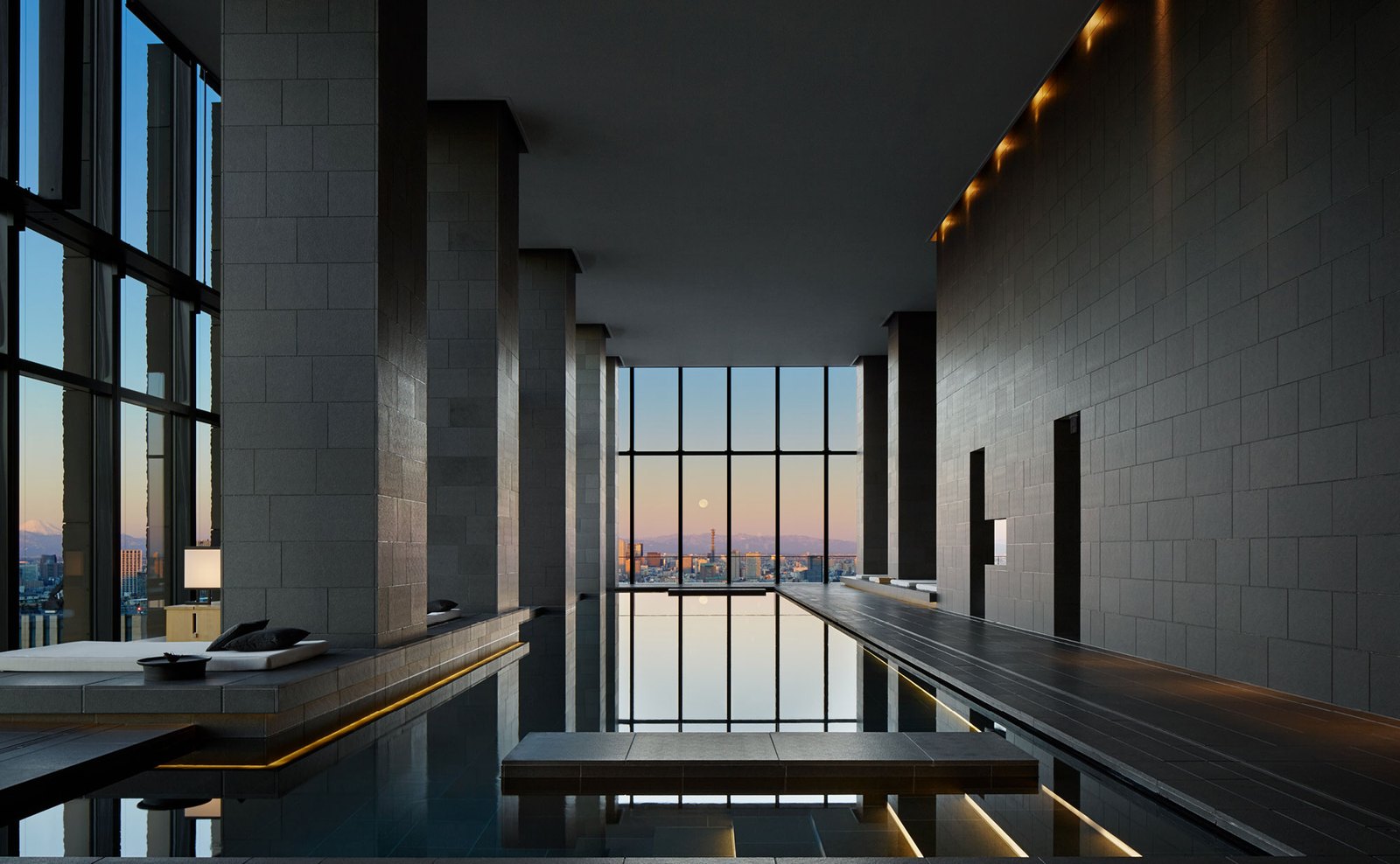
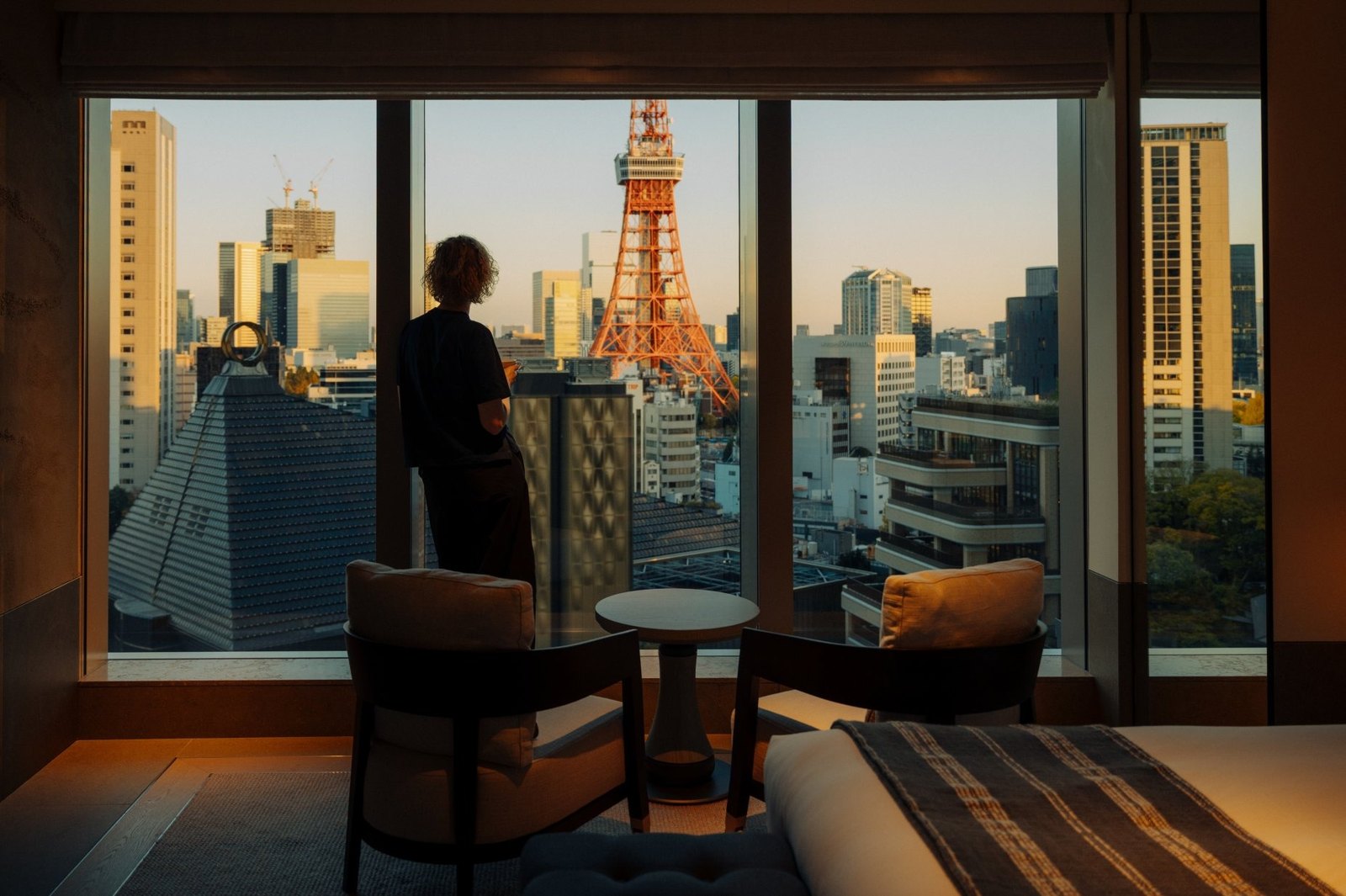
Six hotels with MICHELIN Keys, from the palace moat to the foot of Tokyo Tower
Marunouchi, Tokyo, Japan
from €1104 / night
Yaesu, Tokyo, Japan
from €1939 / night
Otemachi, Tokyo, Japan
from €1300 / night
Otemachi, Tokyo, Japan
from €1180 / night
Nagatacho, Tokyo, Japan
from €627 / night
Ningyocho, Tokyo, Japan
from €252 / night
Focused comparisons to choose the right area and hotel for the trip you actually want.
Marunouchi or Otemachi, by the Imperial Palace, for a first visit: it is central, calm, and next to Tokyo Station for the bullet trains. Akasaka and Nagatacho suit a quieter, older Tokyo around Hie Shrine; Azabudai and Roppongi suit those who want galleries, restaurants and night life on foot. Five of the six Key hotels are connected to a metro station underground, so no address is far from the rest of the city.
Haneda if you can: it is about 20 kilometres from central Tokyo, some 40 minutes by car or half an hour by train. Narita is 60 to 70 kilometres away: about an hour on the Narita Express to Tokyo Station, or 60 to 100 minutes by taxi, which is expensive.
By metro: Tokyo Metro and the Toei Subway run 13 lines between them, and five of our six Key hotels connect to a station underground. Visitors can buy a 24-, 48- or 72-hour pass valid on both networks; the Palace Hotel's concierge sells it to guests. Taxis are clean and reliable but slow in traffic, and walking between neighbouring districts is often the best way to see the city.
Four days is a good first visit: one for the palace gardens, Marunouchi and Ginza, one for the old east of Asakusa and Ueno, one for Shibuya, Harajuku and the Meiji Shrine, and one for a day trip. Japan rewards slower travel, so add Kyoto or the hot springs of Hakone rather than more days in Tokyo.
Kamakura, with its great bronze Buddha and temples by the sea, is about an hour south by train; Hakone, for hot springs and views of Mount Fuji, is around an hour and a half; Nikko, with its lacquered shrines in the cedar forest, is about two hours north. From Tokyo Station the Shinkansen also reaches Kyoto in a little over two hours.