Val d'Orcia or Chianti: where to book a Tuscany wine hotel
A hotel-first comparison for couples choosing between iconic views, Brunello country and easier access to Florence and Siena.
By The Unlisted Editorial Team · 29 August 2026 · 10 min read
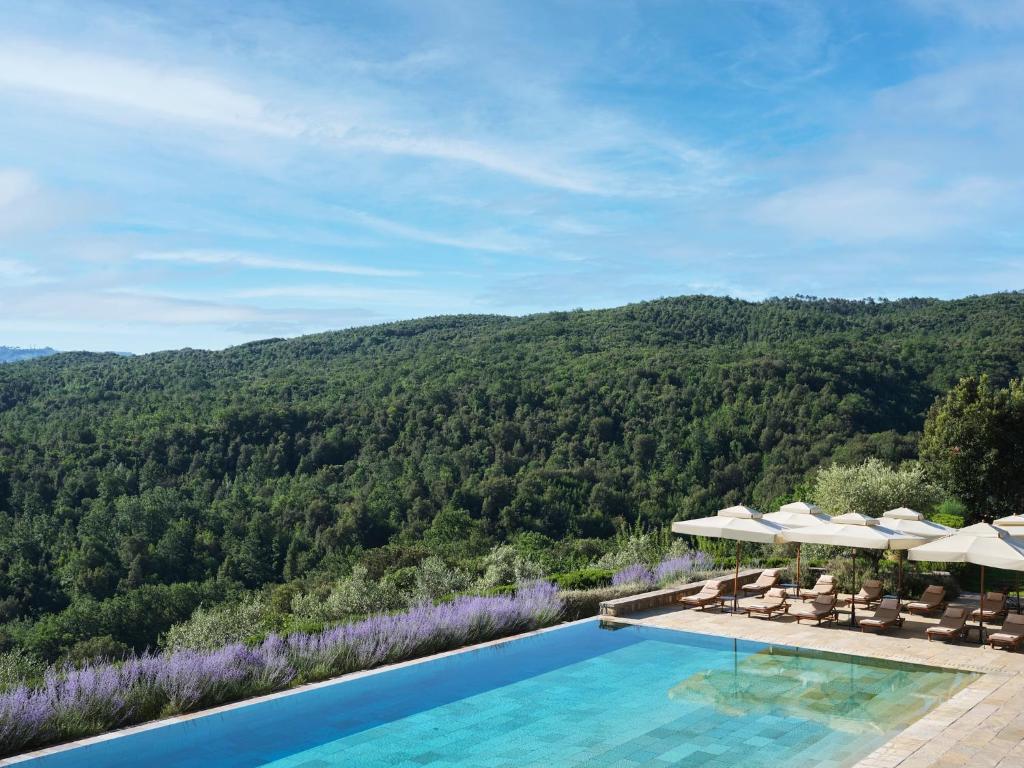
Choose Val d'Orcia for the iconic landscape, Montalcino and a stay that feels remote; choose Chianti for easier Florence–Siena logistics and compact wine touring. Castiglion del Bosco is the complete estate, Castello di Velona the view-and-spa castle, and COMO Castello del Nero the strategic Chianti base.
Both regions deliver vineyards, hill towns and castle hotels, but they create different days. The Val d'Orcia is the landscape people travel to photograph; Chianti is the connective tissue between Florence and Siena. The right answer depends on whether the hotel should feel like the destination or support a broader itinerary.
This comparison is for travellers who want a wine hotel rather than a generic base. The useful questions are how often you plan to leave, which wine you actually want to explore, and whether driving to dinner every night feels romantic or inconvenient.
Val d'Orcia vs Chianti at a glance
| Decision | Val d'Orcia | Chianti |
|---|---|---|
| Best for | Landscape, Montalcino and slow estate days | Florence–Siena itineraries and varied wineries |
| Wine focus | Brunello di Montalcino and Orcia wines | Chianti Classico and central Tuscan producers |
| Driving | Longer scenic roads; fewer quick connections | More central, with easier city access |
| Hotel mood | Destination estates and panoramic castles | Restored castles that support daily touring |
| Dining | Hotel restaurant is often essential | More realistic choice of outside tables |
| Main compromise | Isolation and transfer time | Busier touring corridors and less cinematic seclusion |
Val d'Orcia when the landscape is the priority
The Val d'Orcia earns its reputation slowly: cypress roads, pale fields, Pienza, Montalcino and long views that change with the hour. It is strongest when you reduce the number of daily stops and allow the hotel to carry lunch, pool time and at least one tasting.
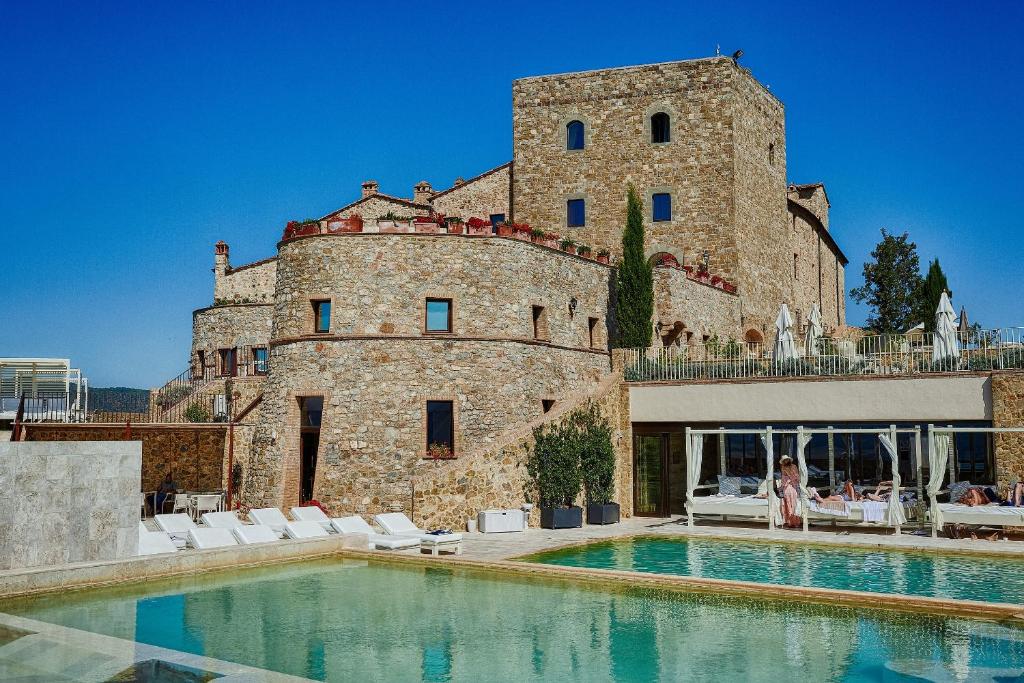
Castiglion del Bosco is a complete Rosewood estate with enough space, food and wine to make leaving optional. Castello di Velona is more compact and exchanges estate depth for a dramatic position above Montalcino and thermal-spa appeal.
- Choose the Val d'Orcia if two of your ideal days contain no museum timetable.
- Stay close to Montalcino when Brunello tastings are the anchor; not every picturesque address is convenient for wineries.
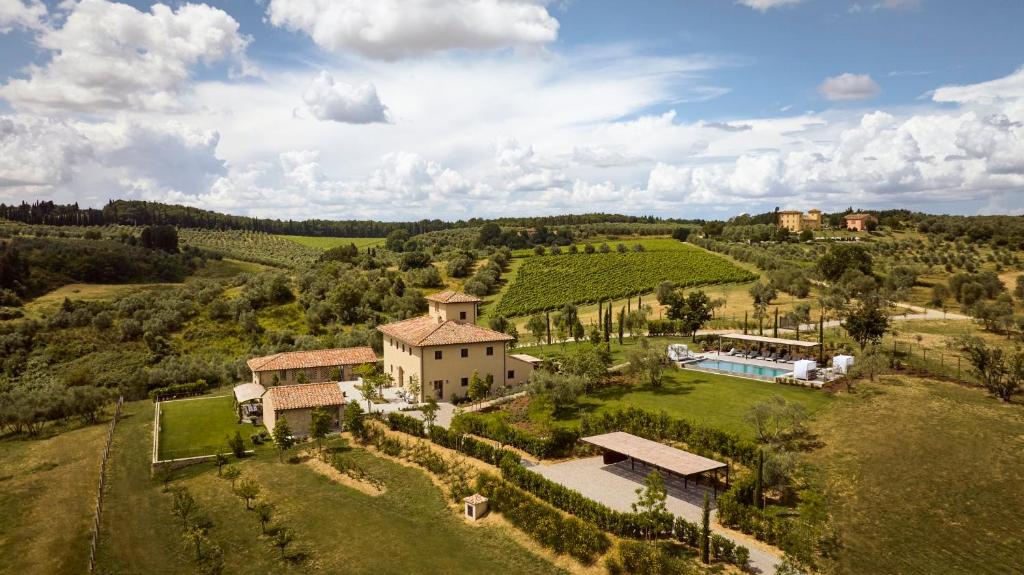
- Check whether the room, pool and restaurant share the view shown in the hero photography—large estates contain several very different zones.
Chianti when Tuscany includes Florence and Siena
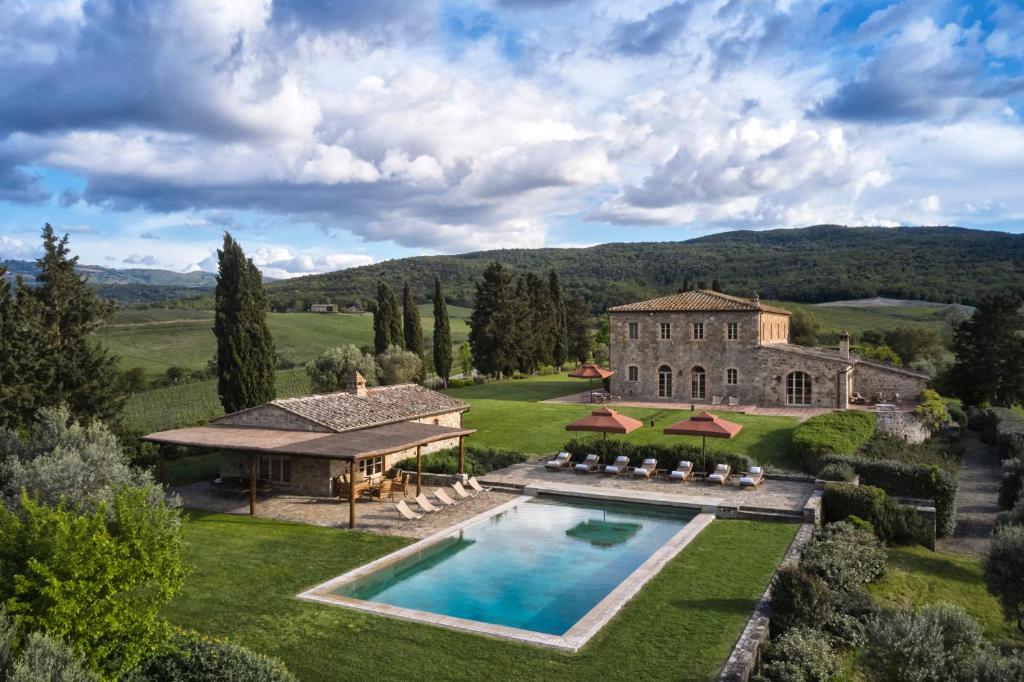
Chianti's advantage is strategic. A well-placed hotel allows a Florence day, a Siena day and focused winery visits without repacking. The scenery remains classically Tuscan, but the trip is more connected and the road network busier.
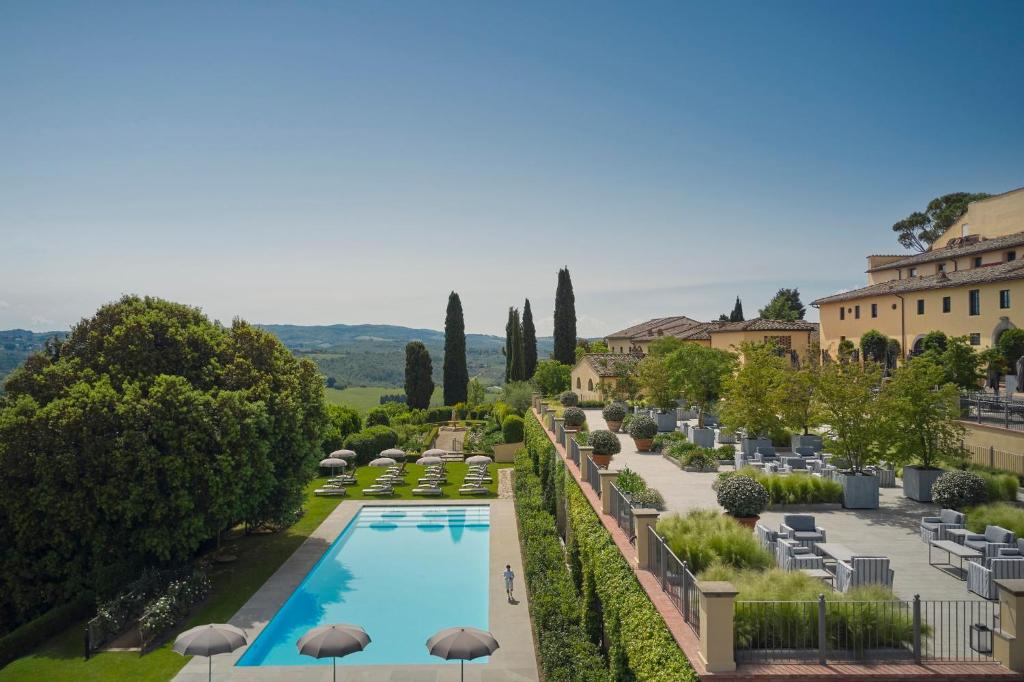
COMO Castello del Nero sits in a restored castle with vineyards, spa and a level of service suited to returning after a city day. It is the better choice for travellers who want the hotel to remove friction rather than isolate them from the itinerary.
- Choose Chianti if Florence or Siena is non-negotiable and you have only four or five nights.
- Map actual winery appointments before choosing the hotel; ‘Chianti’ covers a larger area than a booking filter suggests.
- Ask whether the hotel provides a city shuttle or driver options before assuming you can avoid parking.
Wine tasting without wasting the day
Three winery appointments in one day look efficient and usually flatten the experience. Two is the practical maximum when lunch, cellar time and country roads are included. Reserve directly or through the hotel, state whether you want a technical tasting or a relaxed visit, and arrange a driver if both travellers intend to taste.
In the Val d'Orcia, group tastings around Montalcino rather than crossing the whole valley. In Chianti, choose one sub-area and leave space for a village or long lunch. The hotel concierge is valuable when it can match the visit to your interest—not merely book the nearest available slot.
Four nights or seven: itineraries that work
- Four nights, first Tuscany trip: one Chianti base, with one Florence or Siena day, one wine day and one hotel-led day.
- Four nights, landscape trip: one Val d'Orcia estate, Montalcino and Pienza, with no attempt to commute to Florence.
- Seven nights: two or three nights near Florence or in Chianti, followed by four in the Val d'Orcia.
- Avoid a one-night castle hop. Check-in, unpacking and tasting schedules consume the very slow time these hotels are designed to sell.
What to check before booking a wine hotel
- Is the winery active on the estate, and are tastings available on your dates?
- Can you dine on property every night you need to, or does the restaurant close on specific days?
- How far is the room from the main building, pool and breakfast—especially on a dispersed estate?
- Is the advertised spa included, and are thermal facilities adults-only or timed?
- Does the entry-level room have the landscape view, or is that limited to suites and villas?
- What transfer or driver service exists for dinners and tastings?
The final decision
Choose the Val d'Orcia when you want Tuscany to narrow into landscape, Brunello and the hotel. Choose Chianti when the hotel needs to connect cities, wineries and restaurants without a second move.
For a first week, combining the two produces the clearest contrast. For four nights, concentration is more valuable than coverage. Find our wider selection of estates, castles and city-edge hotels in the Tuscany hotel guide.
Frequently asked questions
Is Val d'Orcia or Chianti more romantic?
Val d'Orcia usually feels more secluded and cinematic; Chianti offers more dining and easier day trips.
Which is better for Brunello wineries?
Val d'Orcia, specifically around Montalcino. Chianti is the base for Chianti Classico producers.
Can you visit without a car?
Not effectively from these wine hotels. Private transfers are possible but remove spontaneity and add substantial cost.
When should couples go?
May, June, late September and October balance landscape, open hotels and milder temperatures.