Lanzarote in winter: the island is better in January than in August
Around 21–23 °C in the daytime, almost no rain and light that makes the volcanic landscape legible. What winter on Lanzarote actually gives you, and what it takes away.
By The Unlisted Editorial Team · 5 September 2026 · 7 min read
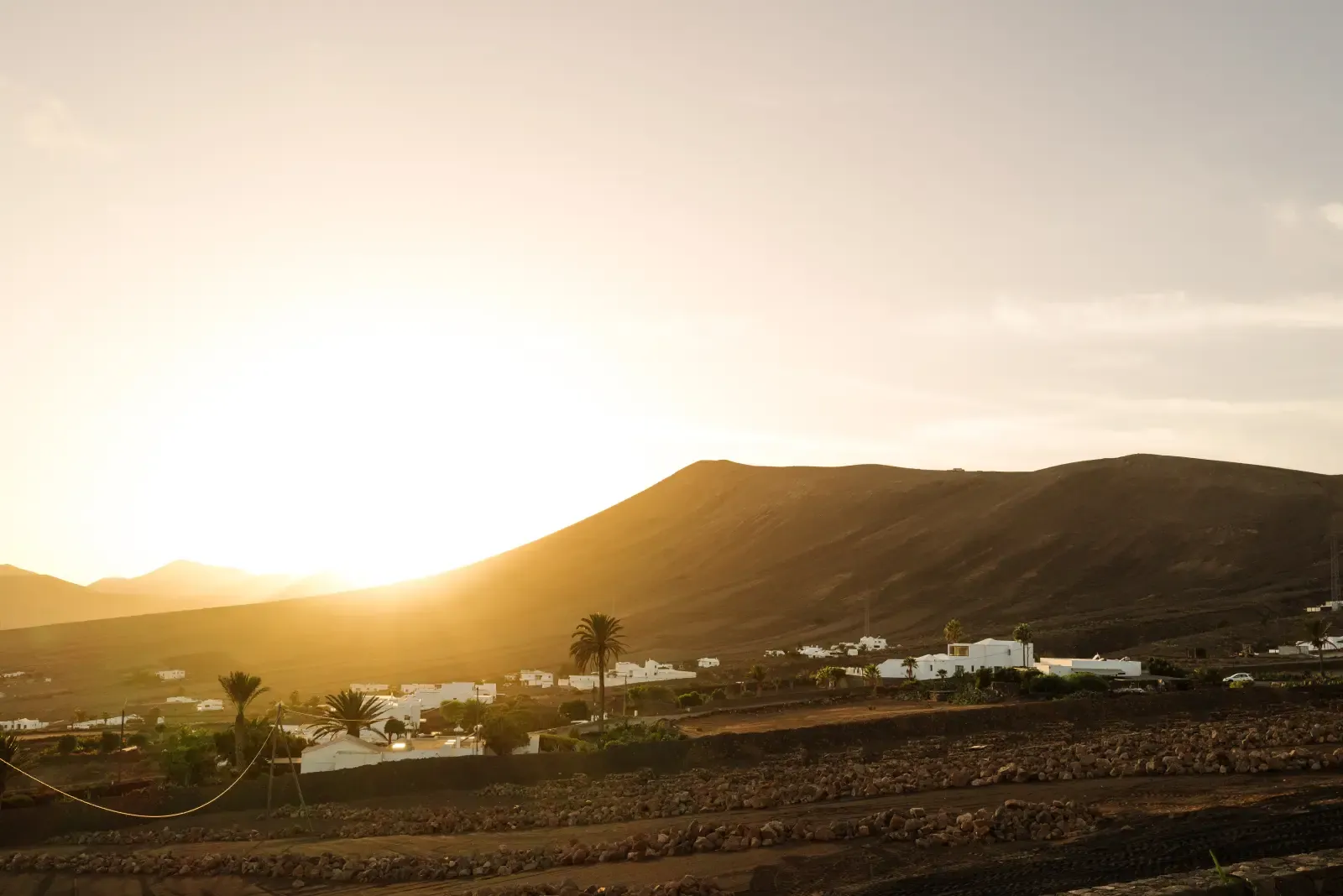
Lanzarote's best months are November to April: daytime highs of roughly 21–23 °C, very little rain and a low sun that gives the black landscape depth it loses at midday in summer. The trade-offs are cool evenings, a persistent north-easterly wind and a sea most people find too cold to swim in without a wetsuit.
Most Mediterranean destinations have a season and a shoulder. Lanzarote has neither in the usual sense — it sits off the coast of Africa at 29° north, and its winter is what southern Europe would call a good spring.
This is the practical case for coming when nobody else does, written from the island's own weather patterns rather than a brochure. It is not a claim that winter is warm. It is a claim that winter is better.
The numbers, honestly
December to February sits around 21–23 °C by day and 14–15 °C at night. Rainfall is minimal — this is one of the driest inhabited places in Europe — and the island records more sunshine hours in January than most of Spain manages in April.
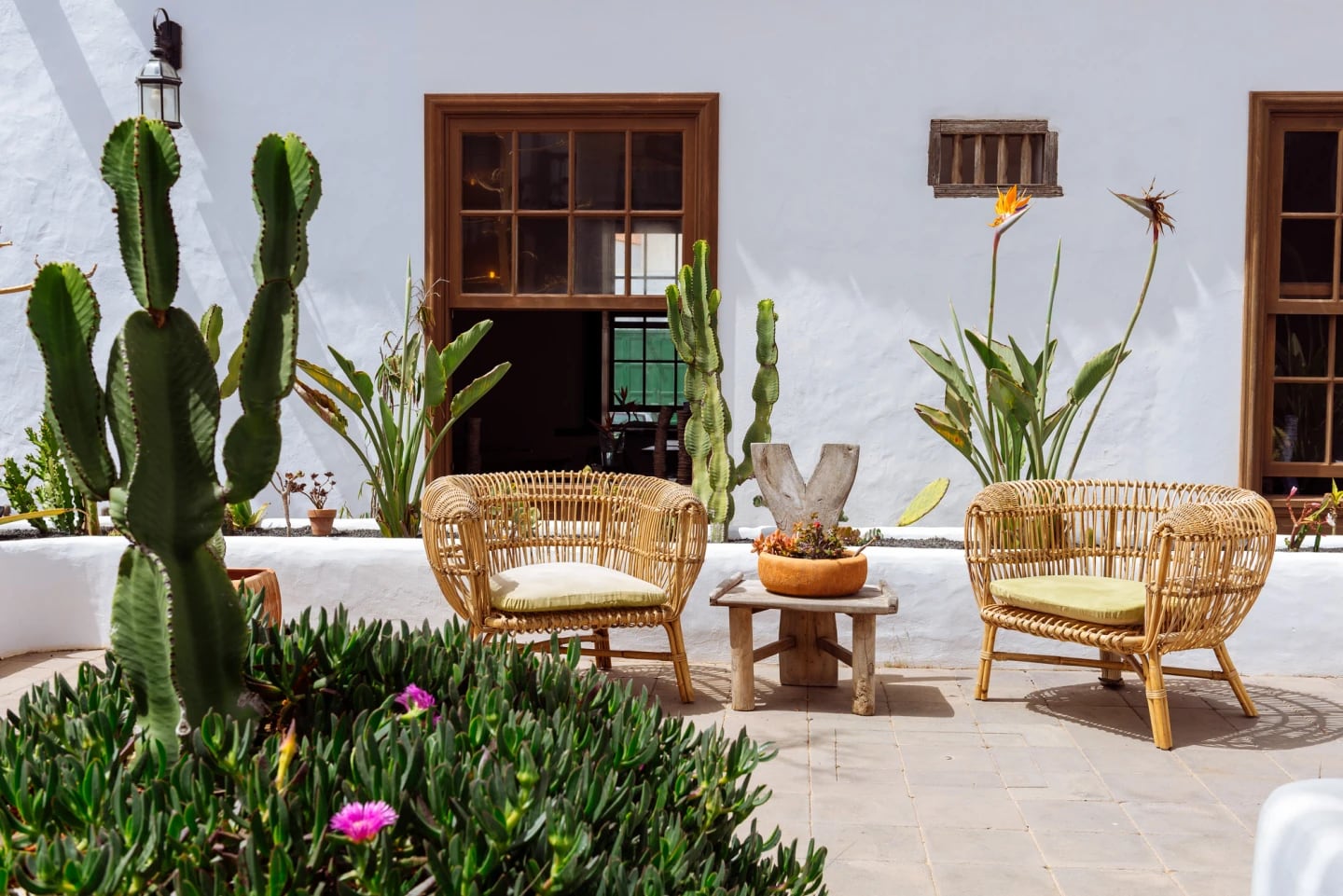
The catch is in the second half of those numbers. Evenings need a jacket and most hotel terraces are exposed. The sea runs at roughly 18–19 °C in February, which is swimmable for some people and simply not for others. And the north-easterly trade wind is a constant, not a forecast: it is why Famara is a surf beach and why the sheltered side of a terrace is worth asking for.
What the low sun does to a black island
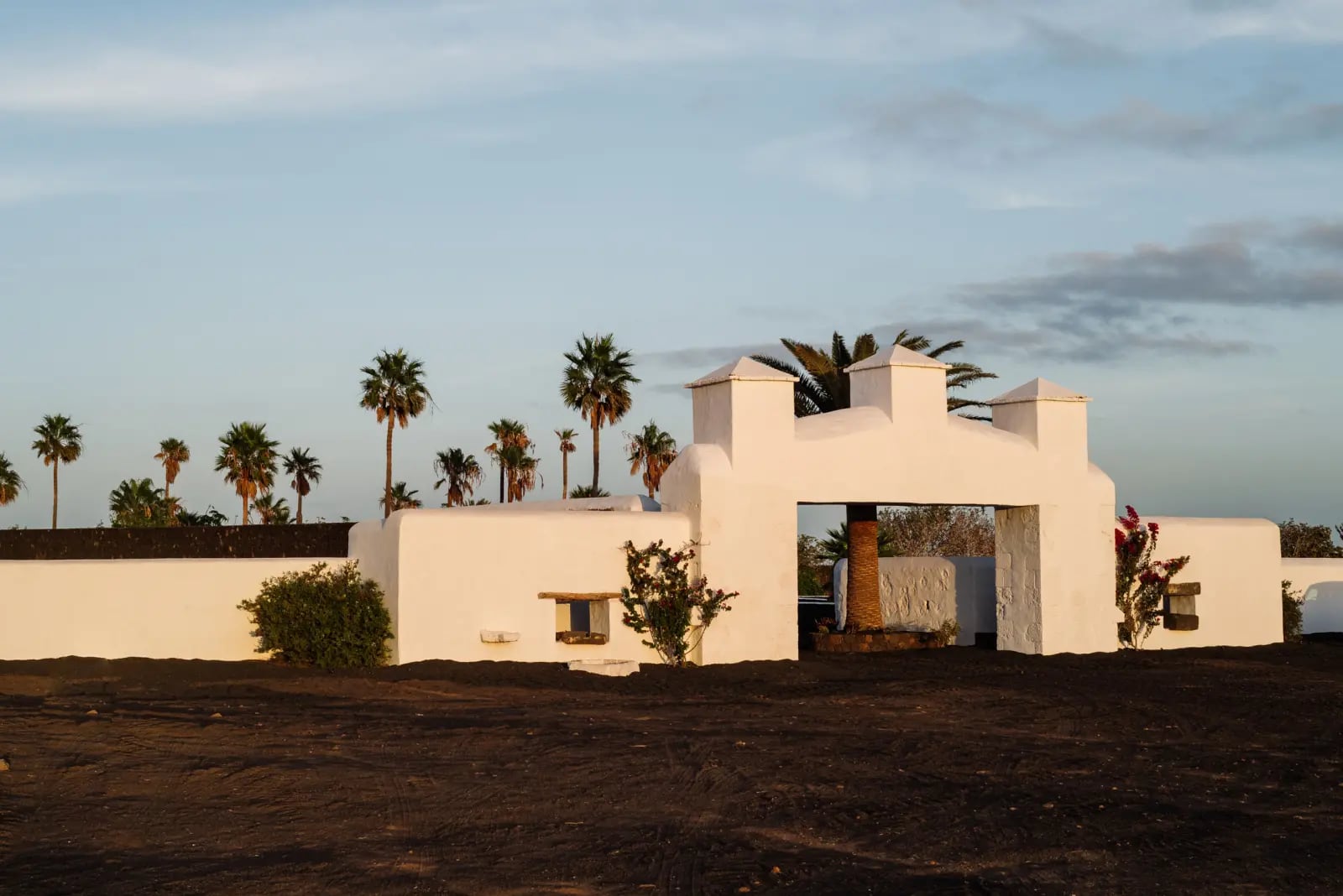
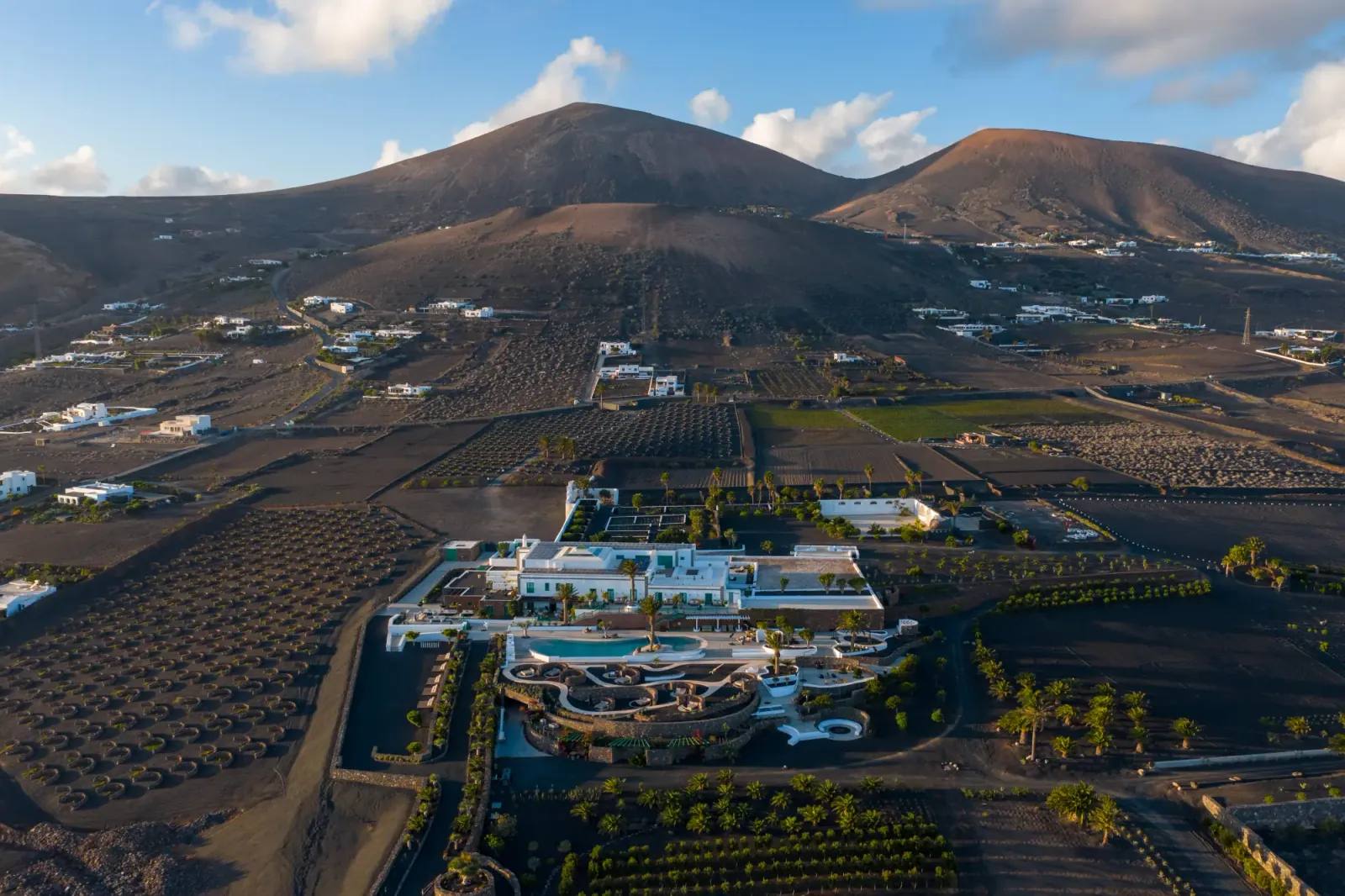
The real argument is not thermal. Lanzarote is a landscape of black gravel, dark lava and white lime, and in July the overhead sun flattens all of it into glare. In winter the sun stays low, the shadows stay long, and the vine hollows of La Geria, the lava fields at Timanfaya and the terraces above Tías get the modelling they need to actually read.
It is the same reason the island's architecture photographs better in the cold months. Manrique's whole visual language — white volumes against black ground — depends on a shadow to define the edge.
Where the season changes the hotel choice
It changes it more than you would expect. César Lanzarote is the winter pick if you want the landscape, because its whole proposition is the view and the sunset bar, and both survive a cool evening better than a pool-based hotel does. Ask for a sheltered terrace category rather than an open one.
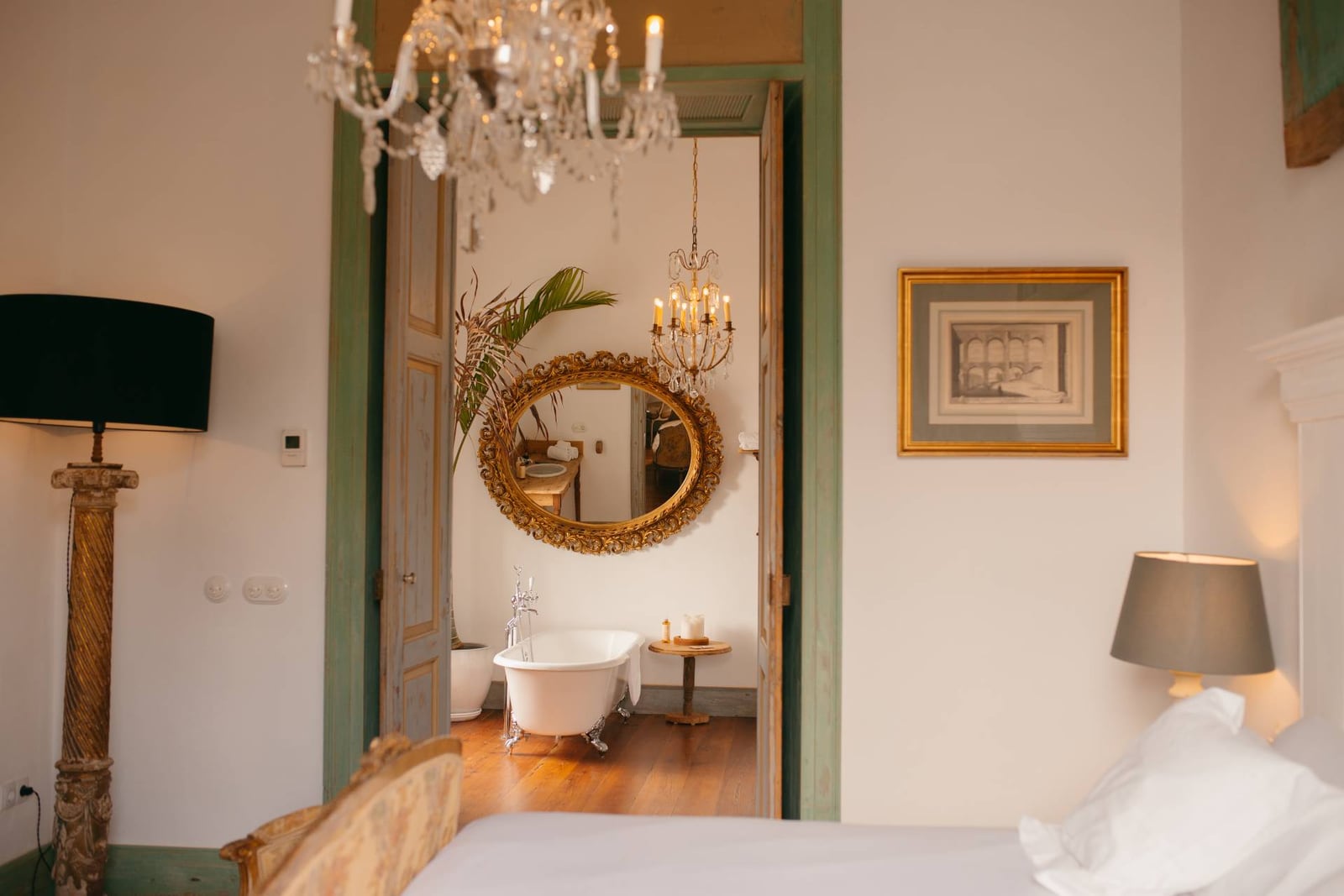
Palacio Ico is the most weather-proof of the three: a walled house in Teguise with a courtyard, a spa room and a kitchen good enough that a wet afternoon is not a problem. It is also the easiest to enjoy without a beach in the plan at all.
La Casa de los Naranjos is the one to think twice about in deep winter. Haría is the green north because it catches the weather — it is several degrees cooler than the south and can be genuinely grey on a day when Playa Blanca is bright. In March and April, when the valley is at its best, it becomes the strongest of the three.
What is open, and what is not
Almost everything. Lanzarote's visitor economy runs year-round on northern European winter traffic, so Timanfaya, the Manrique sites, the wineries in La Geria and the restaurants keep normal hours. This is not a Greek island in November.
The exceptions are seasonal and coastal: some beach clubs and boat operators reduce schedules, and swimming pools that are not heated are ambitious from December. Christmas and New Year, plus the February carnival, are the two genuine price peaks — outside them, winter rates are frequently below the summer ones.
The verdict on timing
If you want to swim in the sea and sit outside after dark, come in late September or October, which keeps summer sea temperatures without the August crowd. If you want the island itself — the landscape, the architecture, the wine country, the walking — come between November and April, and accept that a jumper is part of the packing.
March and April are the compromise that wins most often: the valley in the north is green, the light is still low enough to be interesting, and the sea has begun to come back up. Where to sleep in each case is covered in our Lanzarote hotel guide.
Frequently asked questions
Is Lanzarote warm enough in winter?
By day, yes — roughly 21–23 °C from December to February, with very little rain. Evenings drop to 14–15 °C and need a jacket, and the wind makes exposed terraces feel cooler than the number suggests.
Can you swim in the sea in Lanzarote in winter?
The sea runs at about 18–19 °C in January and February. Some people swim happily; many prefer a heated pool or a wetsuit. If sea swimming is the point of the trip, late September and October are the better months.
When is the cheapest time to visit Lanzarote?
Late January into early February and most of November, outside the Christmas–New Year peak and the carnival. Winter rates on the island are often lower than summer ones, which is unusual for a European destination.
Does it rain much in Lanzarote?
Very little. It is one of the driest inhabited places in Europe, and even in the wettest months rain tends to arrive as short showers rather than settled bad weather. The northern valley around Haría is the exception and catches noticeably more of it.