Italy

Italy

Hill-town estates, white masserie and villas above the old cities

45 hotels12 regions

On the map

Where the stays are

Where to next

Destinations in Italy

Introducing

Introducing Italy

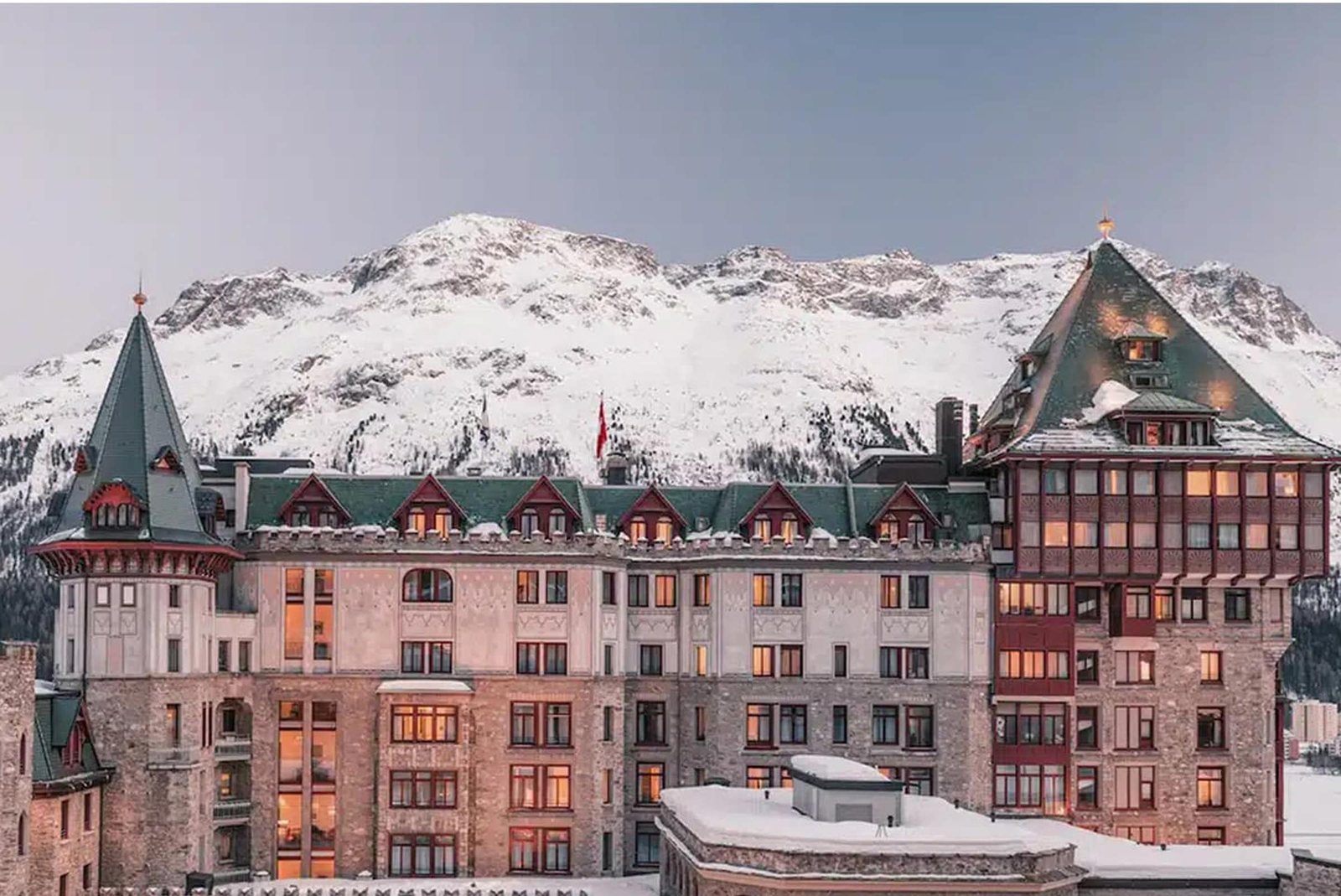
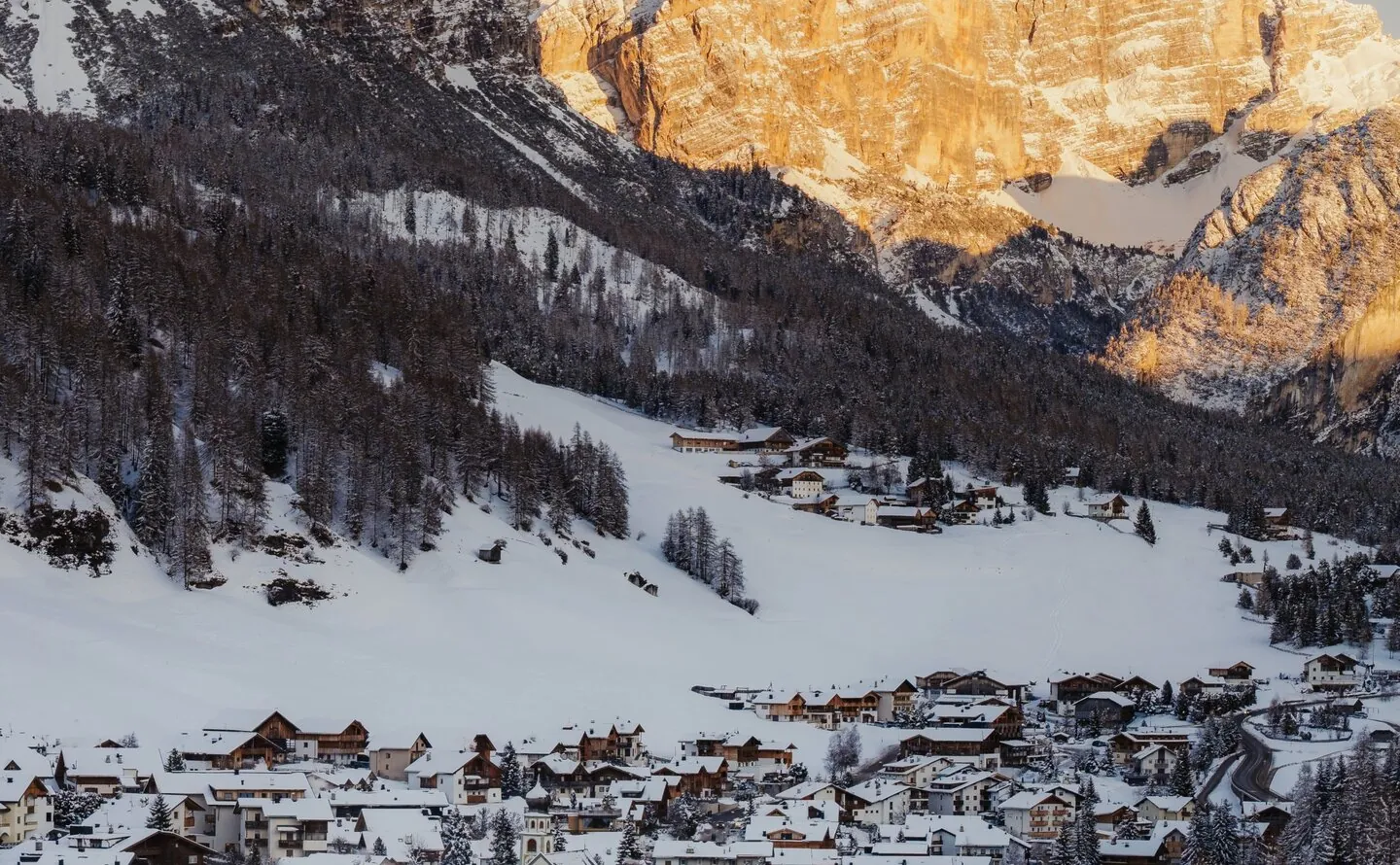
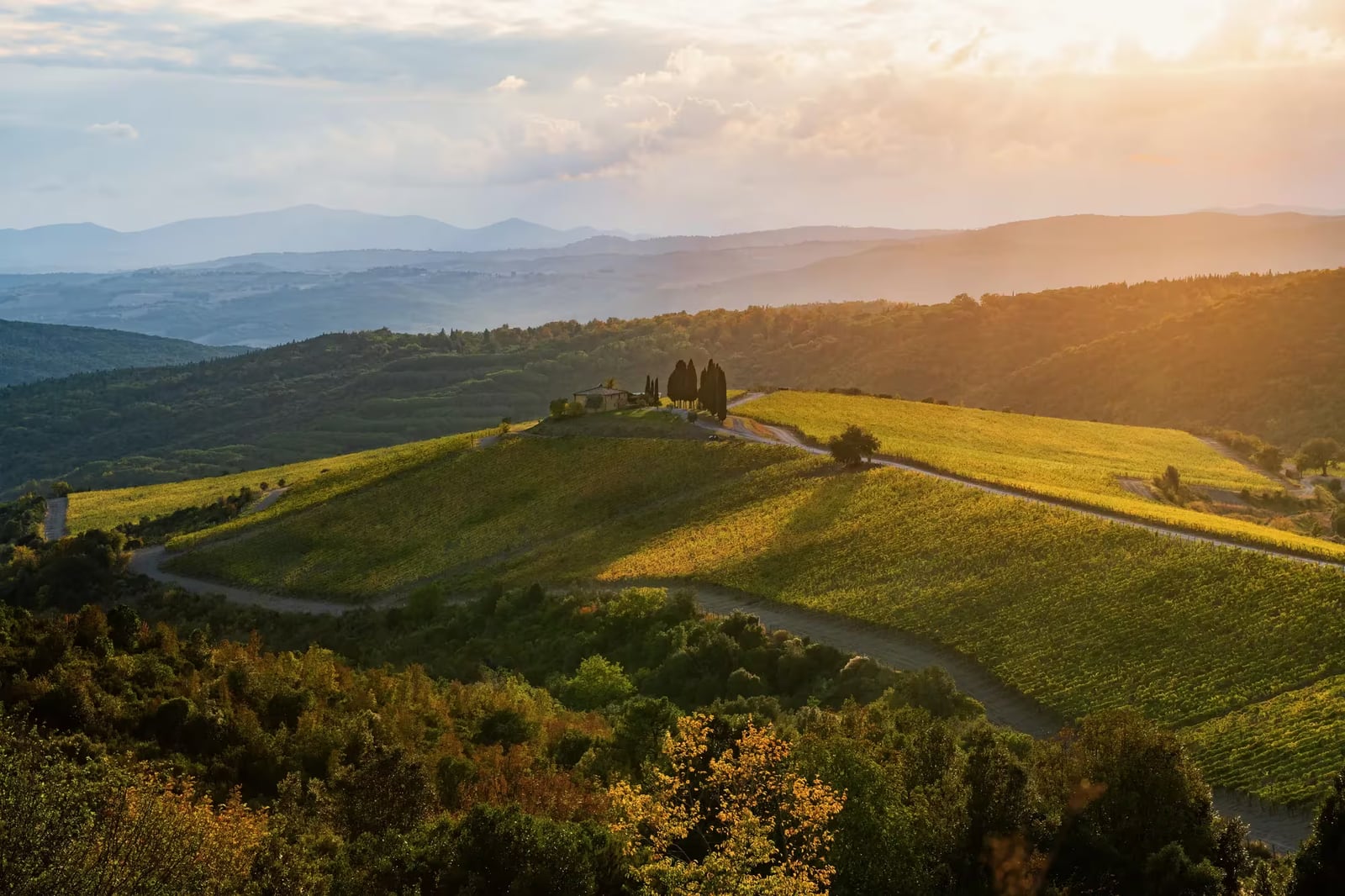
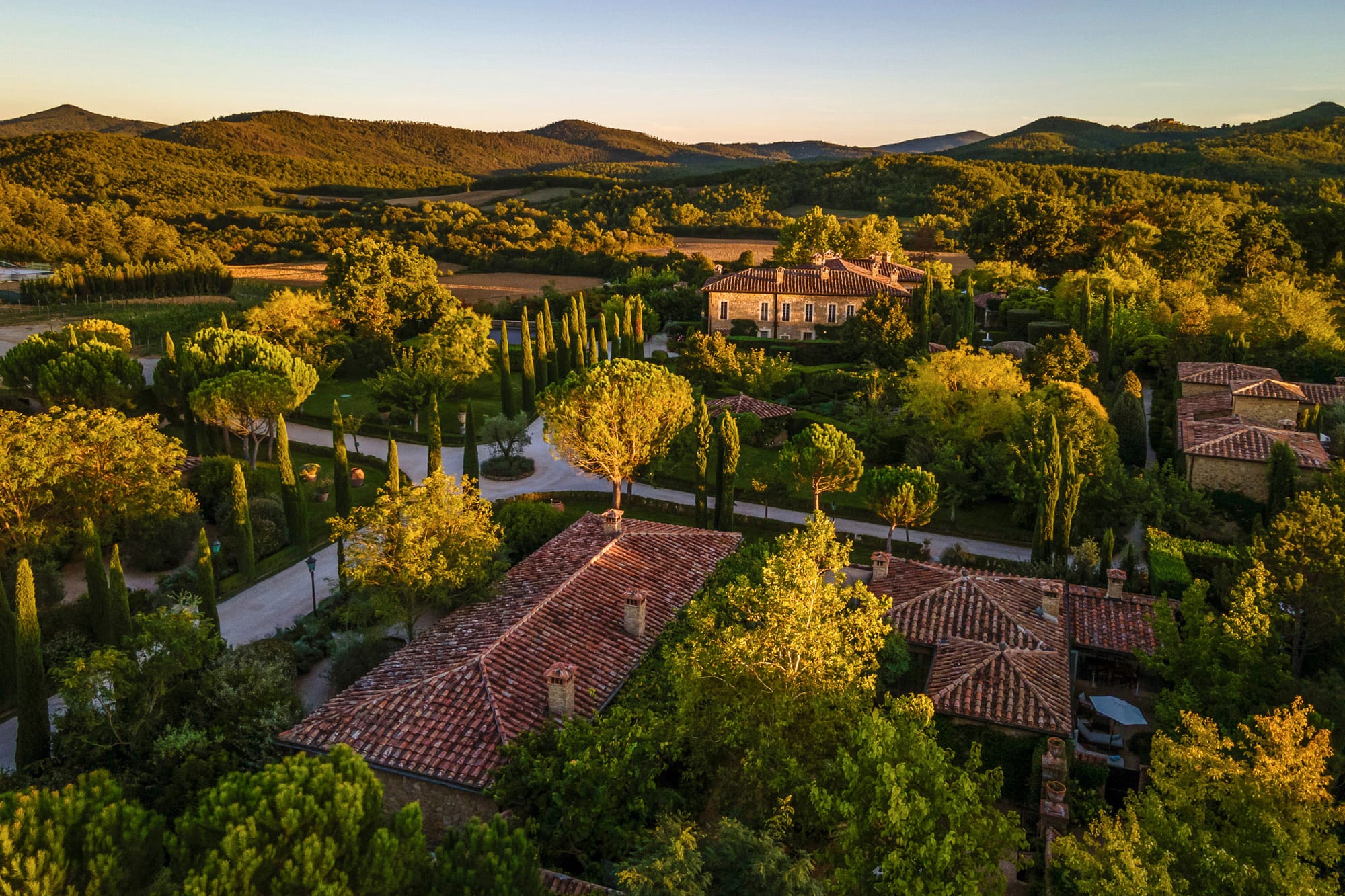
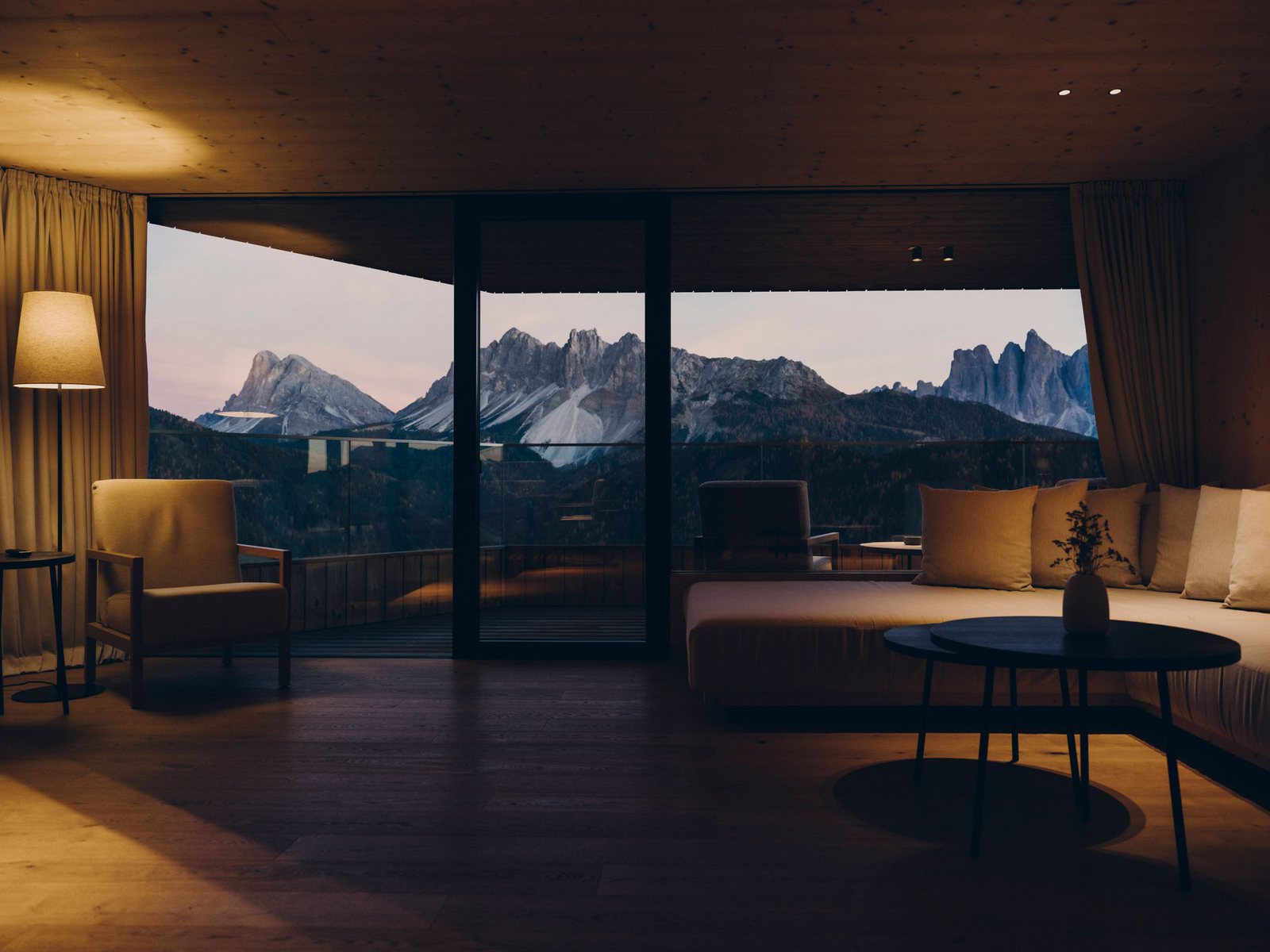
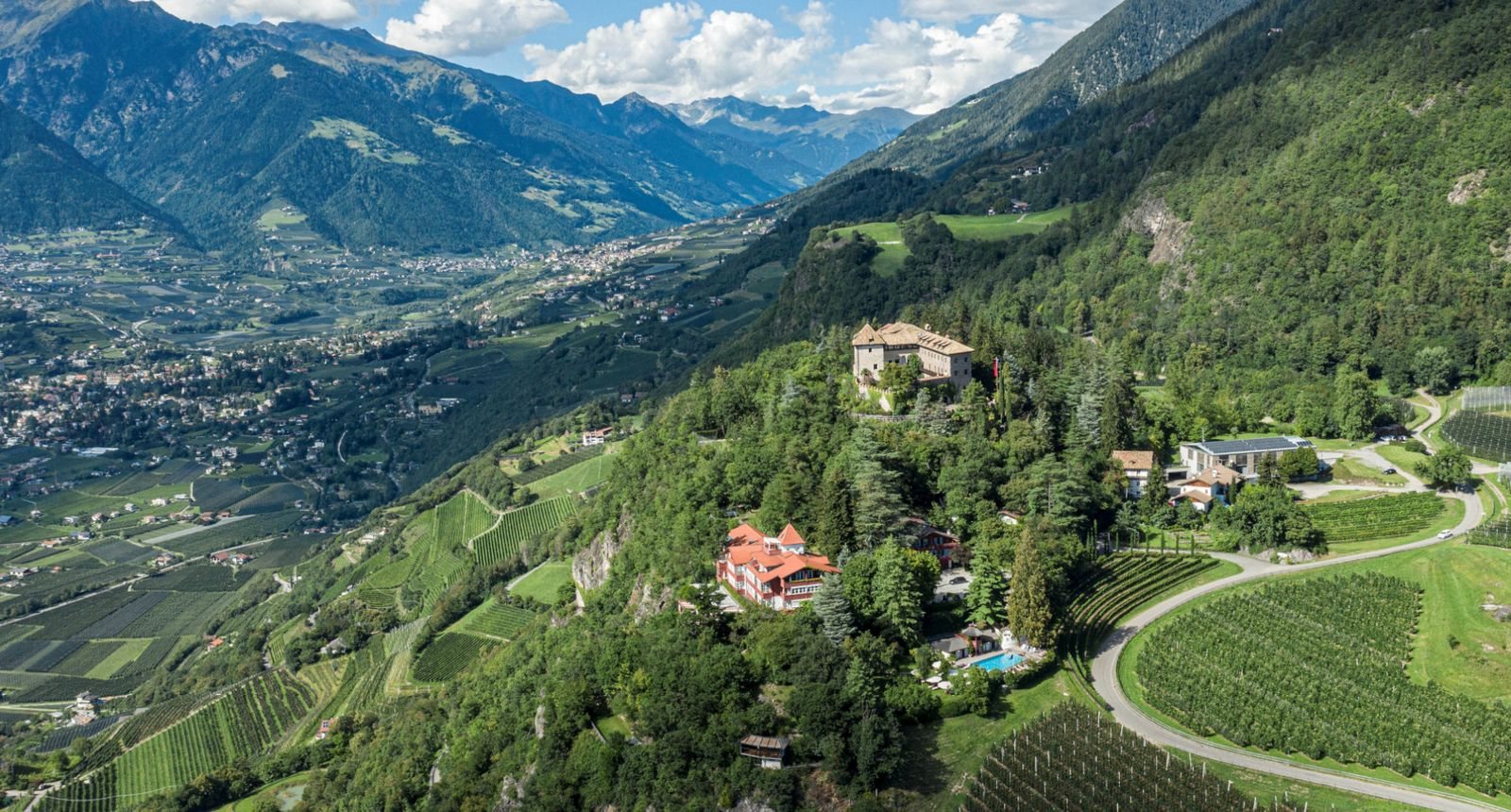
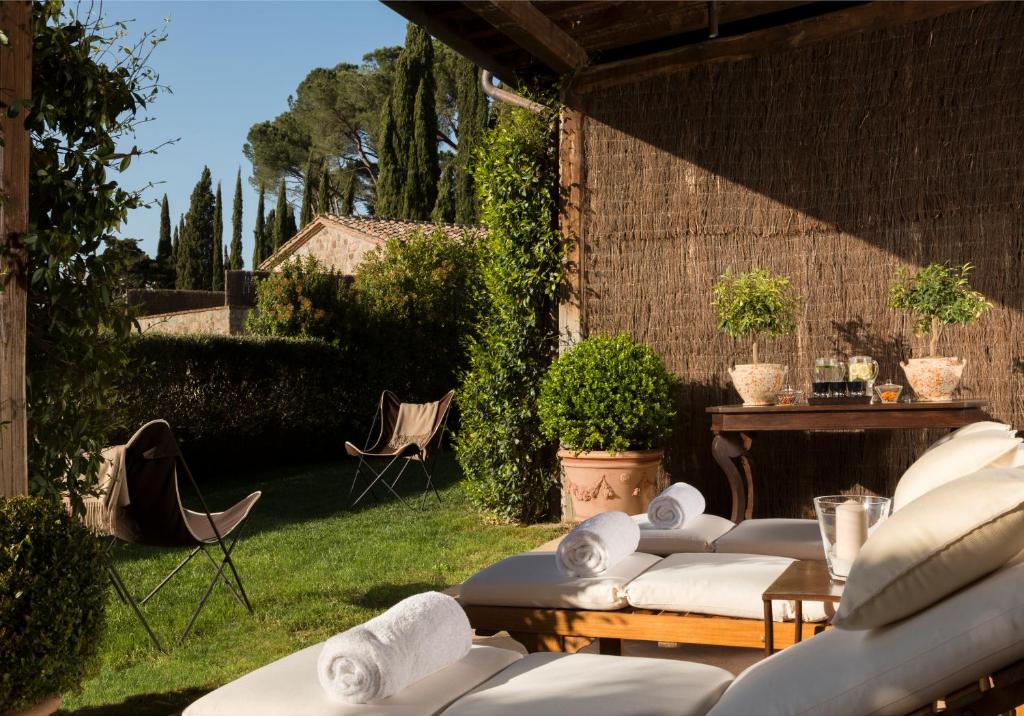
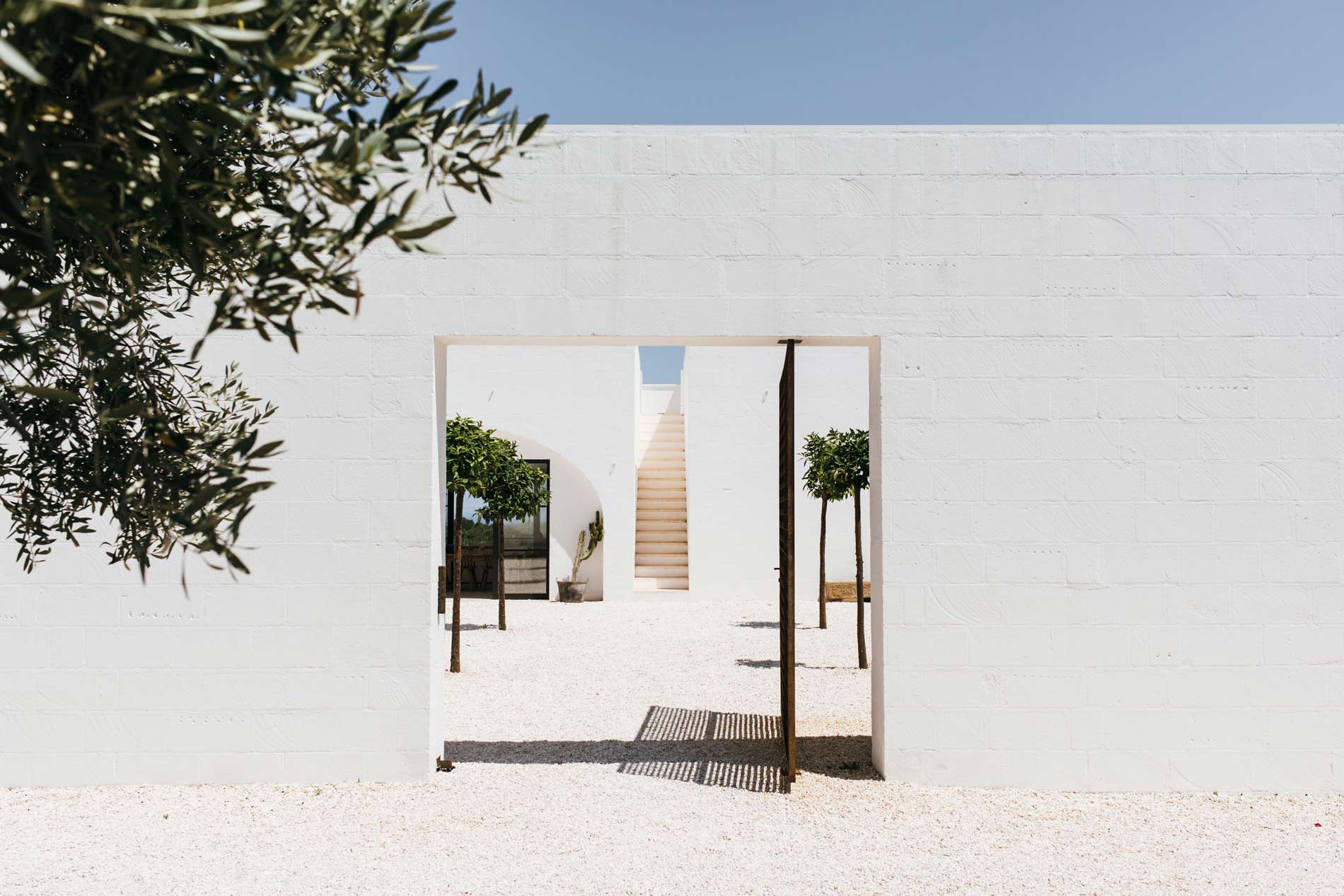
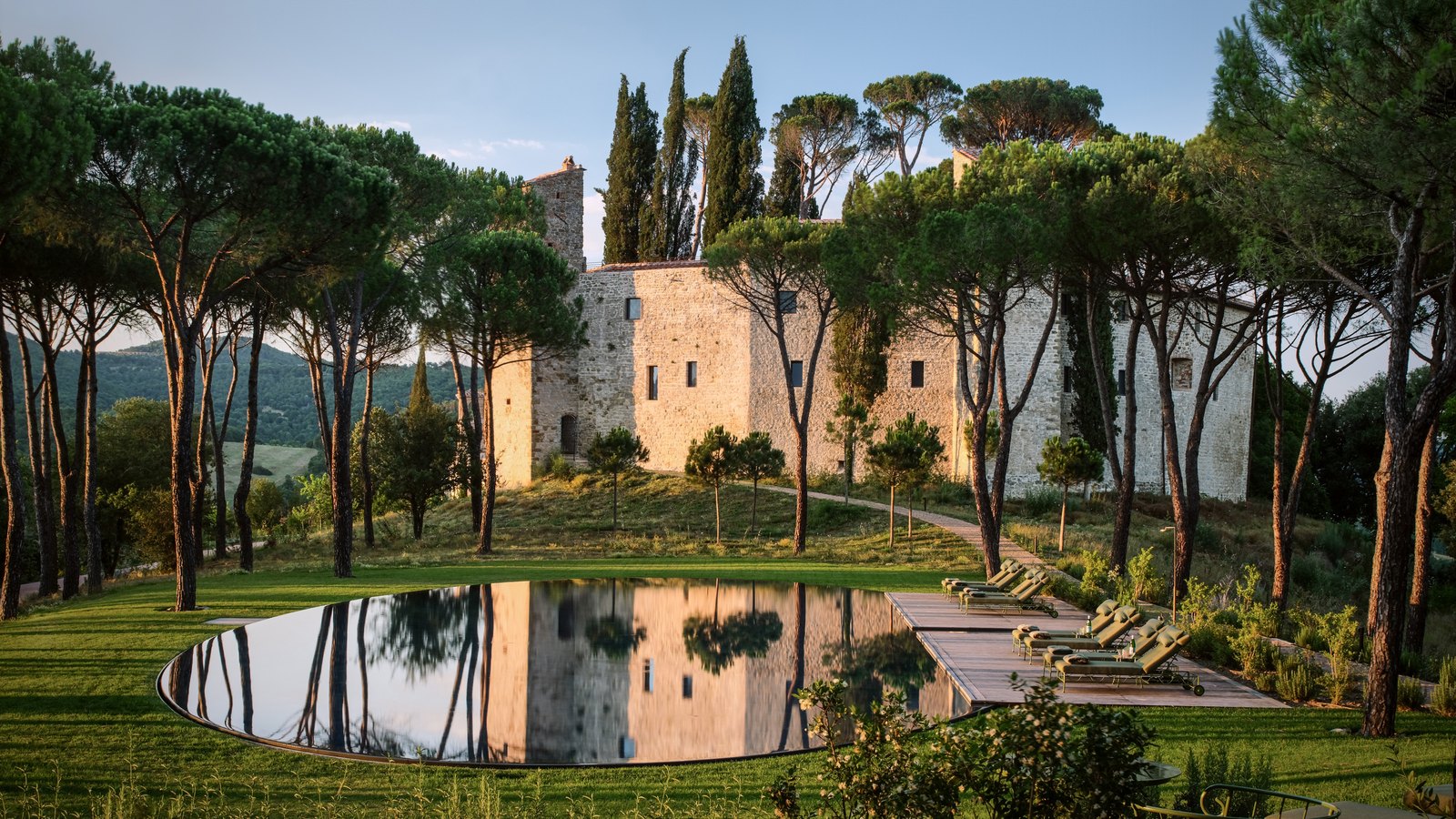
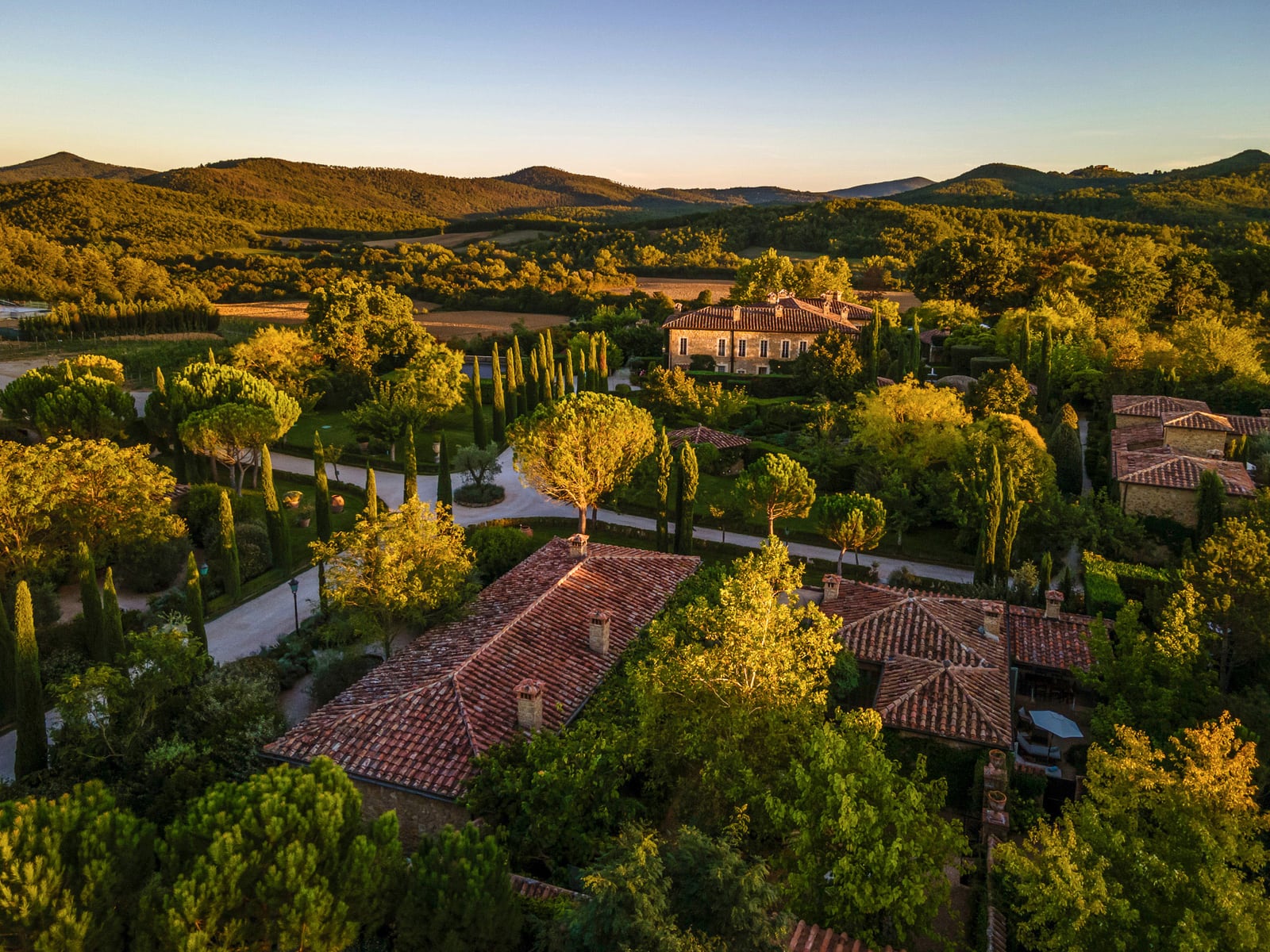
Italy rewards the slow trip more than almost anywhere: a week on one Tuscan estate among vines and cypresses, among the olive groves of Puglia, where the masserie — fortified farmhouses — have become some of the country's most beautiful hotels, or in the Dolomites in winter, where a sanatorium, a castle and a chef's manor house now sit under the pale peaks. Each region cooks, builds and keeps time in its own way, so it is worth choosing one and staying put.

See all 45 hotels
Italy
Good to know

Your travel notes

  • Currency

    The euro. Restaurants often add a coperto, a small cover charge per person, which is normal and legal.

  • Food and meal times

    Deeply regional: bistecca and Brunello in Tuscany, orecchiette and burrata in Puglia. Lunch runs from about 1 to 2.30 pm, dinner from 8.

  • Getting around

    High-speed trains link the big cities. The countryside of Tuscany and Puglia needs a car — and historic centres have ZTL zones, where unauthorised cars are fined by camera.

  • Tipping

    Not expected, since the coperto is already on the bill; rounding up is enough.

  • When to go

    April–June and September–October. August is hot and busy, and around 15 August, Ferragosto, many restaurants close.

Questions

Tips for travel in Italy

Tuscany or Puglia?

Tuscany for rolling hills, vineyards, art cities within reach and historic estates; Puglia for whitewashed towns, olive groves, masserie and the sea close by. Both are best done by car.

What is a masseria?

A fortified farmhouse of southern Italy, built around a courtyard to defend the harvest. In Puglia many have been restored as small hotels among their own olive groves.

Stories & guides

From the Journal