The Serra de Tramuntana: a complete guide to Mallorca's most beautiful corner
Olive terraces, hidden coves and honey-stone villages along Mallorca's UNESCO mountain range — the villages, drives and walks, and the country hotels that make the most of it.
By The Unlisted Editorial Team · 24 June 2026 · 8 min read
In short: the Serra de Tramuntana is Mallorca's UNESCO-listed northwest — villages like Deià, Sóller and Valldemossa, dramatic coast roads and the island's best walking. Base at Belmond La Residencia in Deià, Finca Ratxó for a remote retreat, or Jumeirah Mallorca for the sea. Go in spring or autumn, and hire a car.
If you only explore one part of Mallorca, make it the Serra de Tramuntana — a UNESCO-listed range of olive terraces, hidden coves and honey-stone villages that runs the whole northwest of the island. It has the island's most beautiful driving and walking, its prettiest villages and its most characterful hotels. Here's how to plan it.
The villages
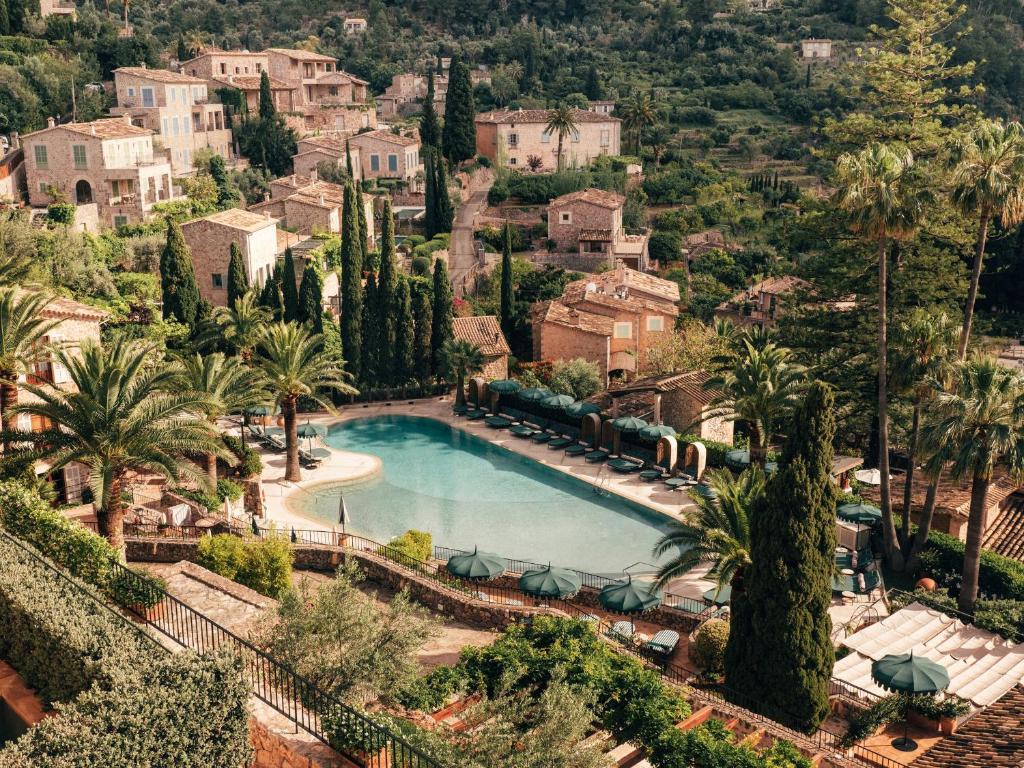
Deià is the star — an artists' and writers' village of ochre stone clinging to the hillside above the sea, with a famous music and arts scene and a tiny cove below. Sóller sits in a wide citrus valley, linked to its port by a beloved vintage wooden tram and to Palma by an even older train. Valldemossa, all green-shuttered stone houses, is where Chopin and George Sand spent a winter.
Push on and you'll find quieter gems: tiny Fornalutx, often called one of Spain's prettiest villages; Banyalbufar and its sea-facing wine terraces; and Pollença at the northern end, with its Calvari steps and Sunday market. Each rewards a slow wander and a long lunch far more than a quick photo stop.
Drives, walks and coves
The Ma-10 coast road along the spine of the Tramuntana is one of the Mediterranean's great drives — give it time and stop often. The hairpins down to Sa Calobra and the Torrent de Pareis gorge are the headline set-piece; the Cala de Deià and Cala Tuent are the coves to aim for; and the Mirador de Ses Barques and Cap de Formentor lookouts are worth the detour.
Walkers have the GR-221, the 'dry-stone route' (ruta de pedra en sec), which links the villages on foot through the mountains over several days, plus shorter classics like Deià down to its cove or the climb above Sóller. Spring and autumn are the seasons for it — summer is too hot for the longer routes.
Where to stay in the Tramuntana
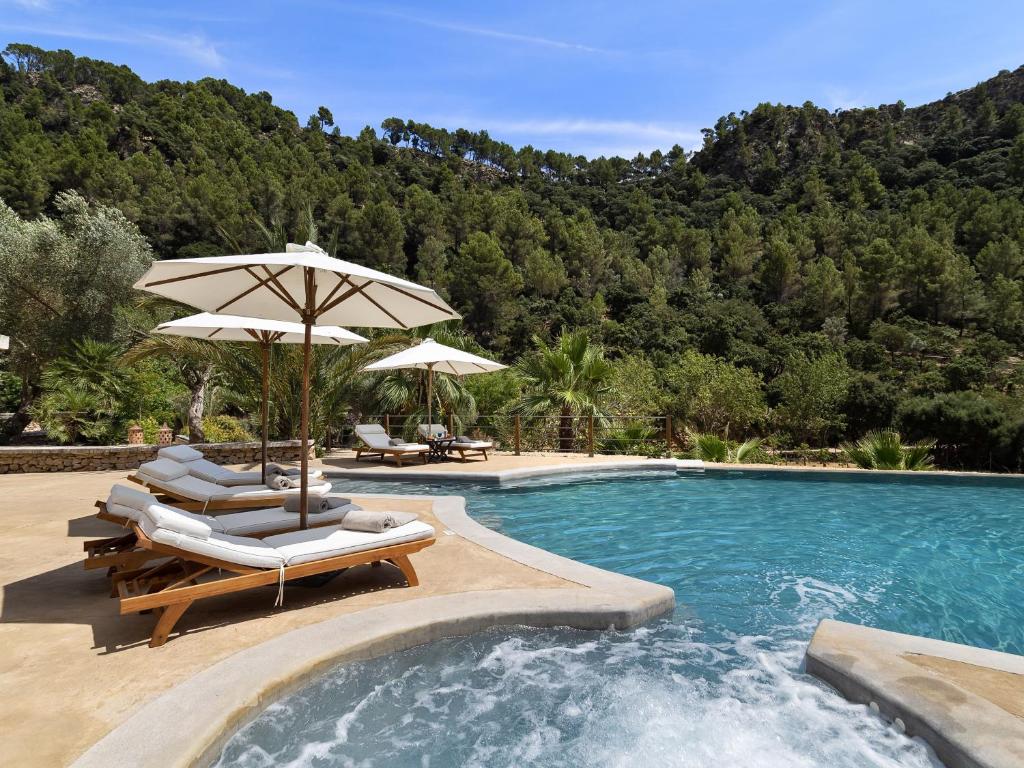
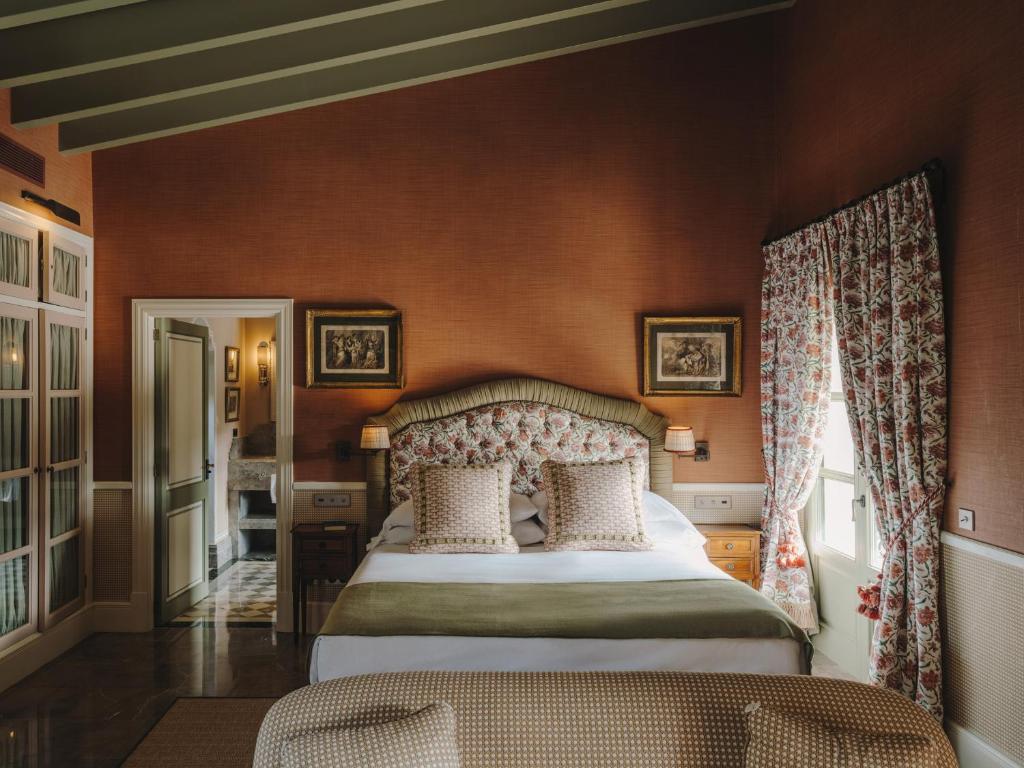
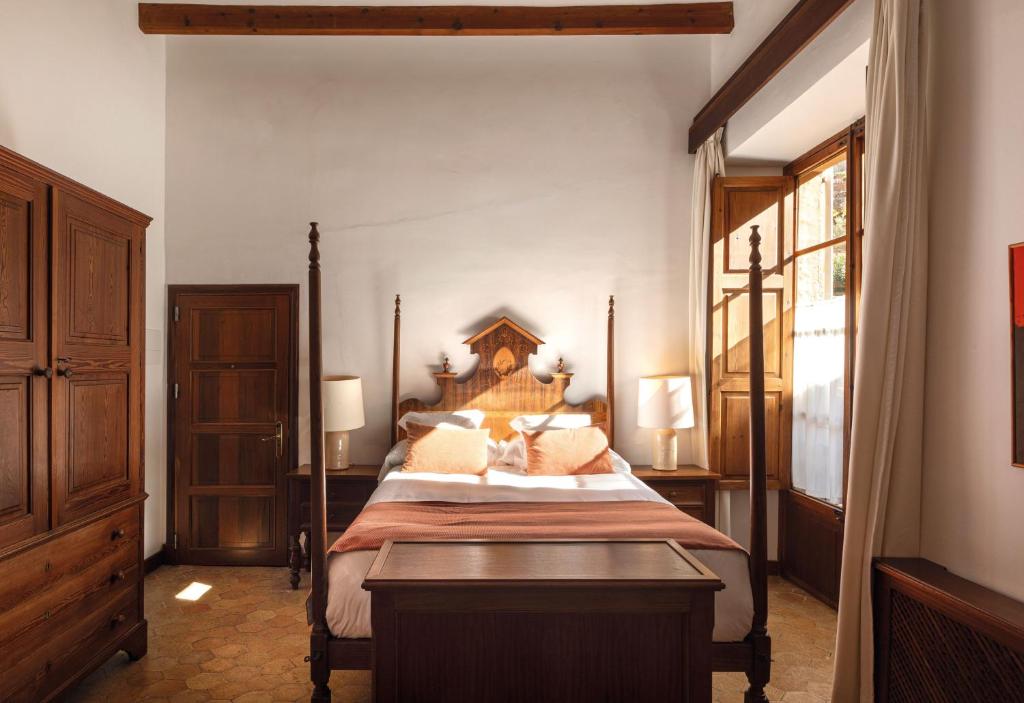
Belmond La Residencia is the definitive Deià stay — two 16th-century manors among olive terraces, with a Michelin-starred restaurant and polished service. For a remote, adults-only wellness retreat, Finca Ratxó sits high above Puigpunyent; nearby, the landmark pink manor of Gran Hotel Son Net offers old-world grandeur 20 minutes from Palma.
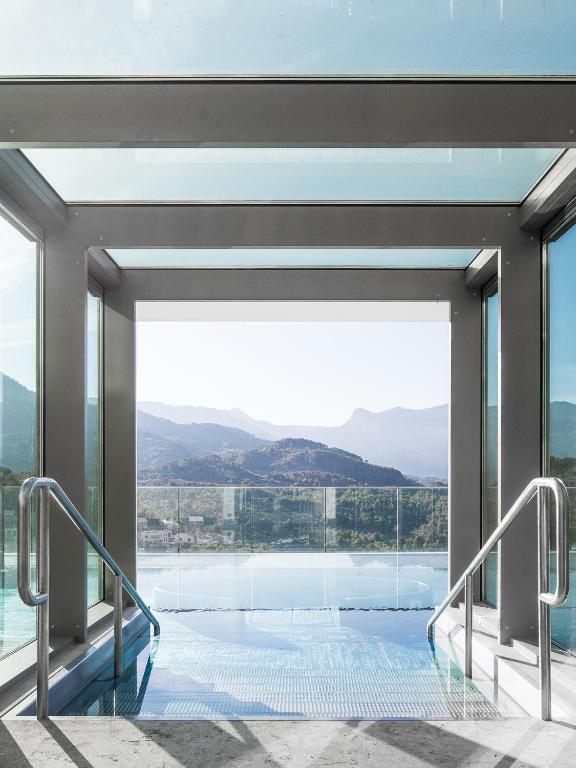
Castell Son Claret, near Es Capdellà, is a grand estate with a destination spa; Son Brull, a former monastery near Pollença, pairs sharp design with one of the island's best kitchens; and for the sea rather than the mountains, Jumeirah Mallorca is a clifftop resort over the horseshoe bay, with a celebrated infinity pool.
Getting around and when to go
A car is essential — the Tramuntana's roads are slow and winding, and that's exactly the pleasure; don't over-pack the days. From Palma airport, Valldemossa and Sóller are about 35–40 minutes, Deià a little more, and Pollença around 50. The Palma–Sóller train and the Sóller tram are lovely, low-effort ways to sample the range without driving.
Spring (April–June) and autumn (September–October) are glorious for the light, the walking and the comfortable temperatures. Summer is hotter and busier, beautiful but better for short cove swims than long hikes; winter is quiet, mild and increasingly popular with walkers.
Frequently asked questions
What is the Serra de Tramuntana known for?
It's Mallorca's UNESCO-listed northwest mountain range — famous for olive terraces and dry-stone walls, honey-stone villages like Deià, Sóller and Valldemossa, dramatic coast roads, and some of the best walking in the Mediterranean.
Which is the prettiest village in the Tramuntana?
Deià is the most famous, but tiny Fornalutx is often called one of Spain's prettiest villages, and Valldemossa and Sóller are close behind. Each makes a lovely base or day trip.
Where should I stay in the Serra de Tramuntana?
Belmond La Residencia in Deià for the definitive stay; Finca Ratxó or Gran Hotel Son Net above Puigpunyent for a serene estate; Son Brull near Pollença for design and food; and Jumeirah Mallorca for clifftop sea views.
Do you need a car for the Tramuntana?
Yes, for the most part — the villages, coves and lookouts are spread along slow mountain roads. The exceptions are the scenic Palma–Sóller train and the Sóller-to-port tram, which let you sample the range without driving.