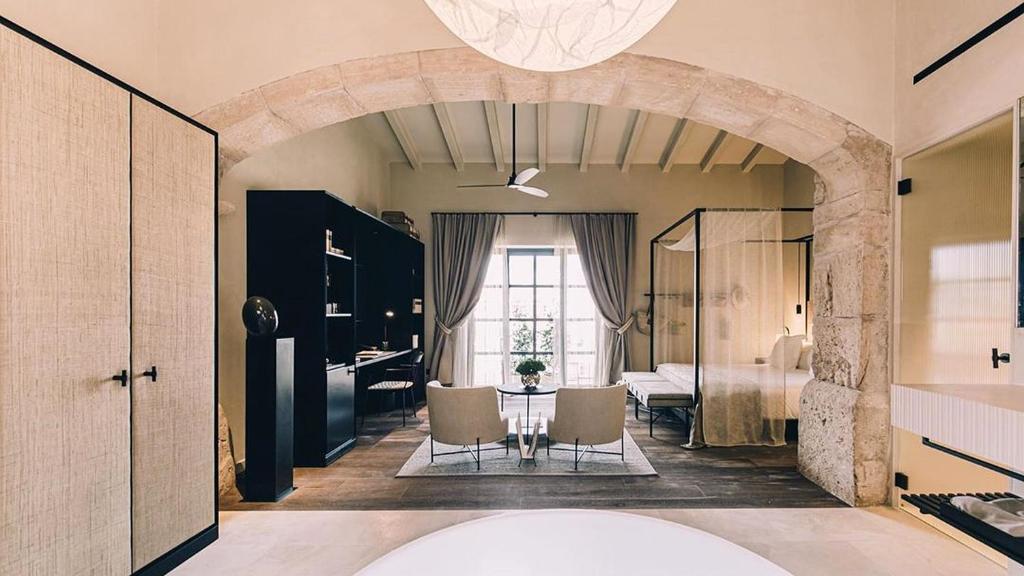
Where to stay in Mallorca: the best hotels and areas, by our editors
A complete editors' guide to where to stay in Mallorca — the best areas and hotels for mountains, the city, the beaches and total quiet, plus when to go and how long to need.
By The Unlisted Editorial Team · 24 June 2026 · 9 min read
In short: for mountains, villages and romance, base in the Serra de Tramuntana — Deià, Sóller and the island's grandest country hotels. For culture and food, choose Palma. For sheer drama, Cap Rocat on the bay. For the best beaches, head to the south-east around Santanyí. Visit in May–June or September–October, give it at least five days, and hire a car.
Mallorca packs an improbable amount into one island. In a single short drive you can go from the UNESCO-listed peaks of the Serra de Tramuntana to a buzzing little capital in Palma, and on to a coastline of turquoise coves in the south. That variety is the island's great strength — and it's exactly why *where* you stay matters more here than almost anywhere else in Spain. Base yourself badly and you'll spend the holiday in the car; base yourself well and the best of Mallorca is on your doorstep. This guide breaks the island into the areas that matter, with the stays our editors rate in each.
How to choose where to stay in Mallorca
Mallorca splits, broadly, into four moods. The north-west is the Serra de Tramuntana — mountains, olive terraces and stone villages, with the island's grandest country and clifftop hotels. Palma and its bay is the cultural heart: a genuinely good small city of galleries, rooftops and tapas. The south-east is where the prettiest beaches and coves are. And the flat interior, the Pla, is wine country, almond groves and rural agroturismos.
As a quick steer: choose the Tramuntana for romance, walking and scenery; Palma for a city-and-culture break; the south-east for beach days; and a rural finca anywhere if a private pool and total quiet are the point. Most first-timers do best with two bases — a few nights in the mountains and a few near Palma or the coast — rather than trying to see it all from one spot.
Serra de Tramuntana — mountains, villages and sea
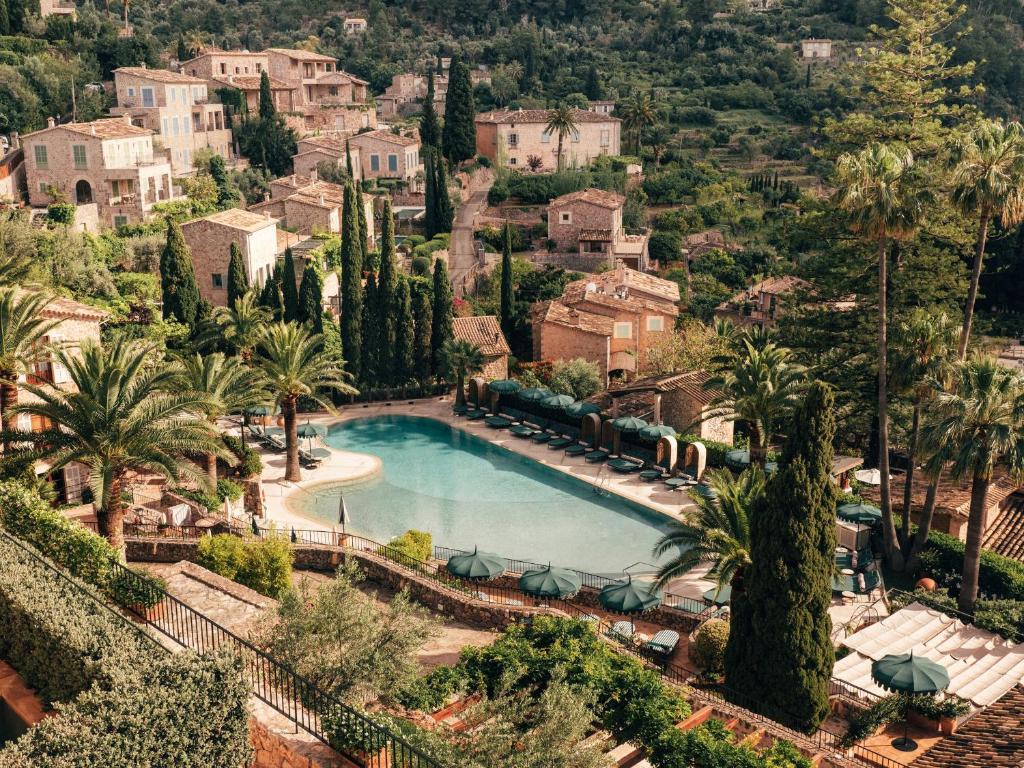
If you only base in one part of Mallorca, make it here. The Tramuntana runs the length of the north-west coast — a wall of mountains dropping to hidden coves, threaded with villages like Deià, Sóller and Valldemossa. It has the island's most beautiful driving and walking, and its most characterful hotels.
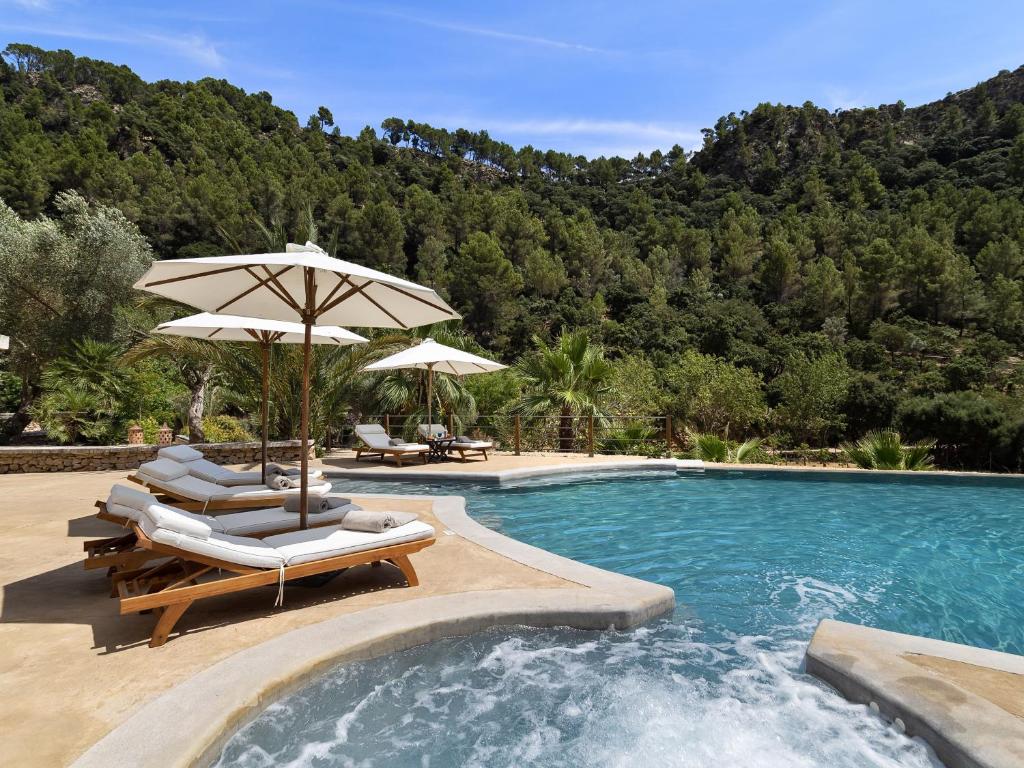
Belmond La Residencia is the definitive Deià stay — two 16th-century manor houses among olive terraces, with a Michelin-starred restaurant and the polished, romantic service that defines the village. From around €550 a night it's a splurge, but the setting is unmatched. For something quieter and more remote, Finca Ratxó is an adults-only wellness retreat high above Puigpunyent — all stone, fire and morning yoga, with a serious spa and just 25 rooms.
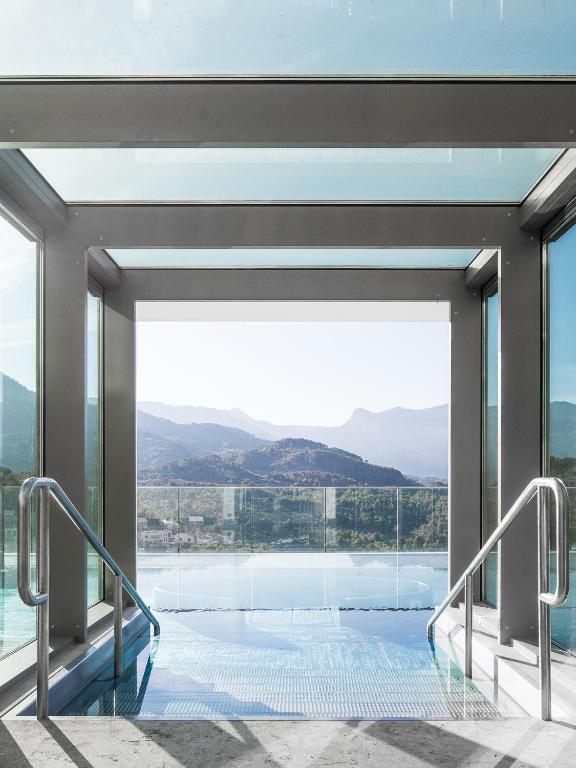
Nearby, the landmark pink manor of Gran Hotel Son Net offers old-world country grandeur 20 minutes from Palma, while Castell Son Claret, near Es Capdellà, is a grand estate with a destination spa and an ambitious kitchen. At the northern end, Son Brull — a former monastery near Pollença — pairs sharp design with one of the island's best restaurants. And for the sea rather than the mountains, Jumeirah Mallorca is a clifftop resort over the horseshoe bay of Port de Sóller, with one of the Mediterranean's great infinity pools.
Getting around: the Tramuntana's roads are slow and winding (and gorgeous), so a car is essential. Don't miss the vintage wooden tram from Sóller down to its port, the cliff drive to Sa Calobra, and a swim at the Cala de Deià.
Palma & the Bay — city, culture and a castle
Palma is one of Europe's most underrated small cities — a soaring Gothic cathedral, a tangle of old-town lanes, contemporary-art galleries and the buzzing Santa Catalina dining scene. It makes a brilliant short break in its own right, or an easy day or two either side of a coastal stay.
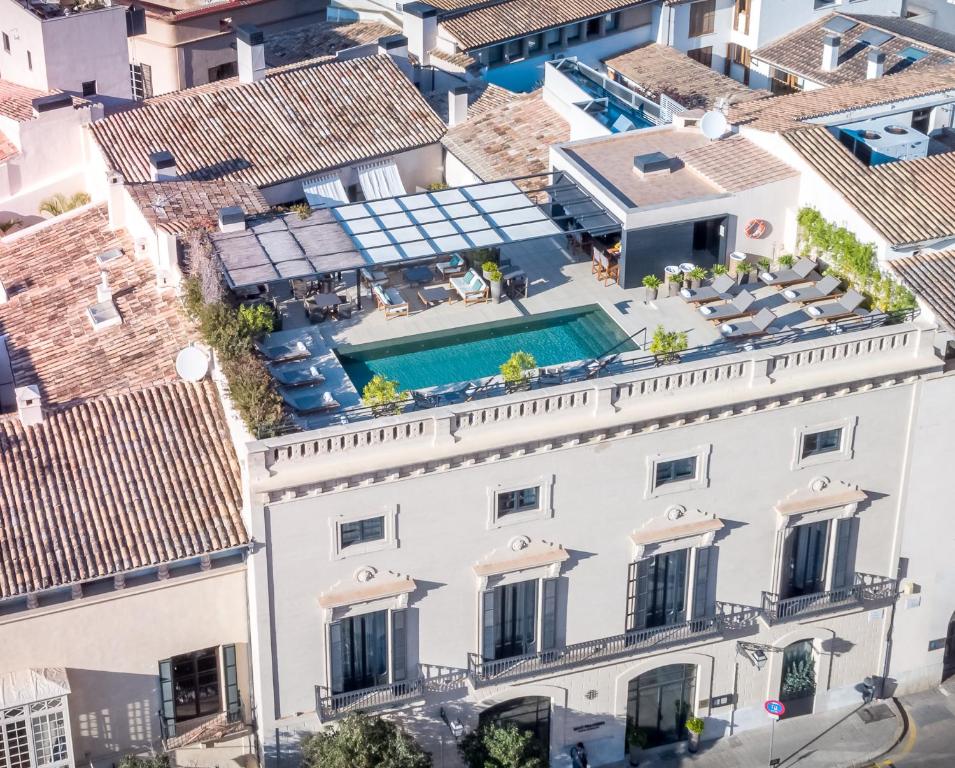
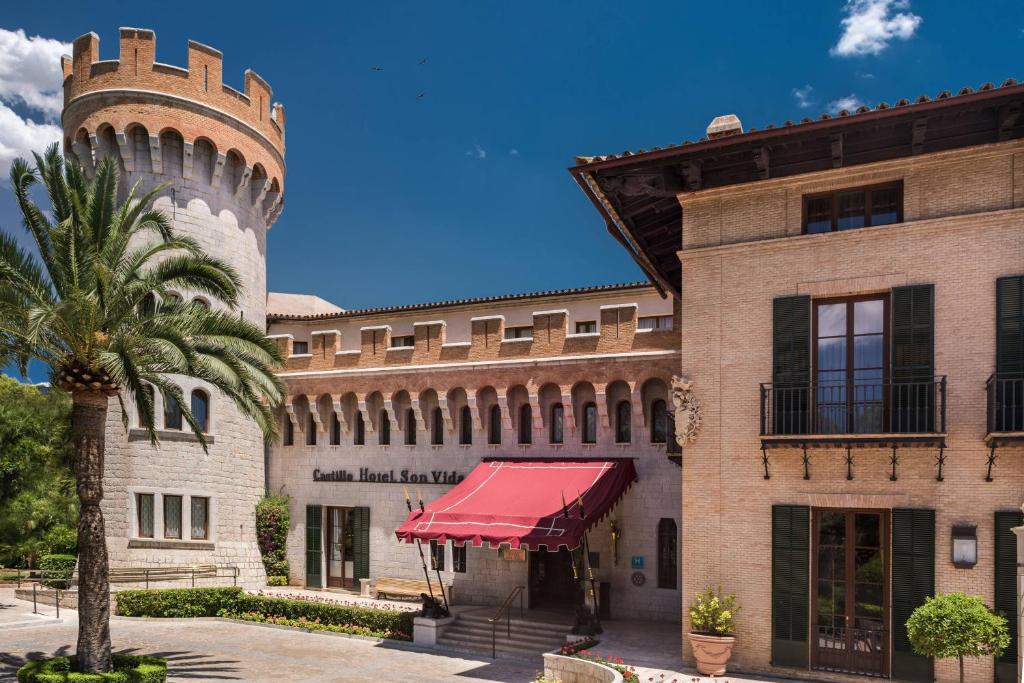
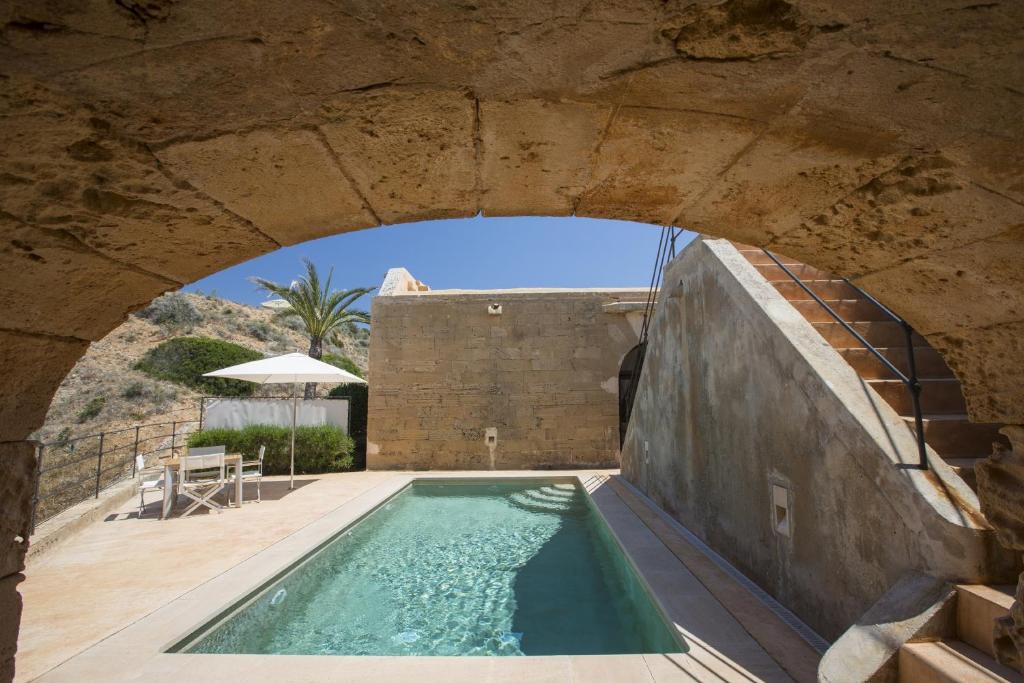
In the old town, Sant Francesc is a restored 19th-century mansion turned design boutique, with a rooftop plunge pool over the rooftops and the cathedral a short walk away. Above the city, the hilltop Castillo Son Vida — the island's original luxury hotel — pairs antiques-filled salons and bay views with three golf courses at the gate. And on the cape just outside Palma, Cap Rocat is a 19th-century fortress turned hotel like nowhere else, with suites behind stone walls and a sea-water pool cut into the rock.
Palma is 15 minutes from the airport, so it's the easy place to start or end a trip. You don't need a car in the city itself — but you will for everywhere else.
The south-east & the coves
The Migjorn, Mallorca's south-east, has the island's prettiest swimming — a string of turquoise coves like Cala Llombards and Mondragó, plus the long white sands of Es Trenc. The handsome market town of Santanyí is the natural base.
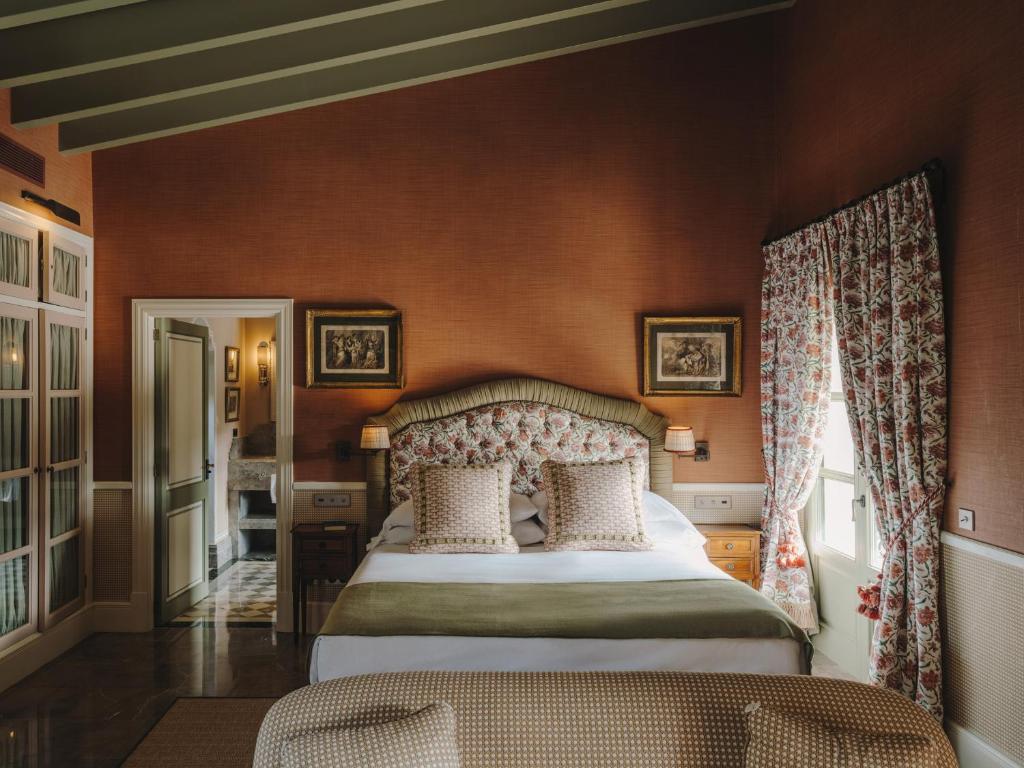
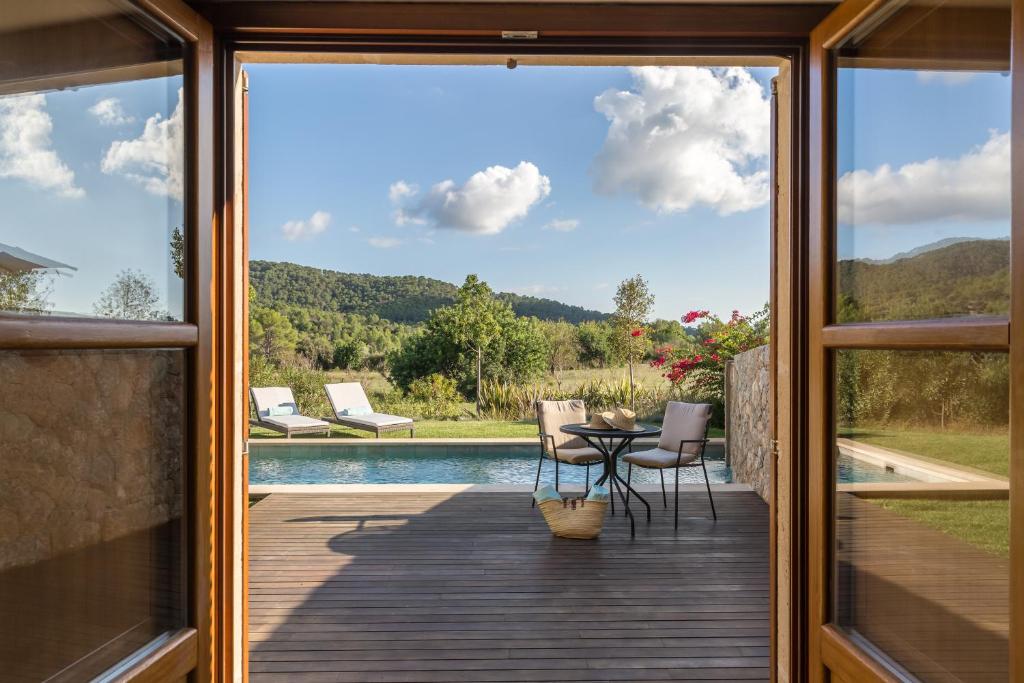
Can Ferrereta, a 17th-century sandstone townhouse turned adults-only boutique — and a member of Small Luxury Hotels of the World — is the calm, design-minded place to stay here, with a garden pool, a good spa and the coves a short drive away. It's close to the water without being a beach resort, which is exactly the point. Browse more options in our sea-view and private-pool collections.
How many days, and how to get around
Give Mallorca at least five days; a week is better and easily filled. With five to seven days, the classic plan is two or three nights in the Tramuntana, then two or three near Palma or the south-east, splitting the island's two very different sides.
A car is essential for everything except a pure Palma city break. Driving times are short — most of the island is within 60–90 minutes of Palma — but the mountain roads are slow, so don't over-pack the itinerary. Book your car ahead in summer, when island-wide demand sends prices up.
When to visit Mallorca
May, June, September and early October are the sweet spot — warm enough to swim, long golden light, and the island far calmer than in peak season. July and August are hot, beautiful and busy; if you come then, book sea-view rooms and restaurant tables well ahead and start beach days early. Spring (April–May) is glorious for walking and the almond-blossom countryside, while winter is quiet, mild and increasingly popular for a cultural city break in Palma.
Frequently asked questions
What is the best area to stay in Mallorca?
It depends on your trip: the Serra de Tramuntana for mountains, villages and romance; Palma for a city-and-culture break; and the south-east around Santanyí for the best beaches and coves. Many visitors split their stay between two of these.
Do you need a car in Mallorca?
For everything except a pure Palma city break, yes. Driving times are short — most of the island is within 60–90 minutes of Palma — but the Tramuntana's mountain roads are slow and winding, and the best coves and villages aren't well served by public transport.
When is the best time to visit Mallorca?
May–June and September–early October offer warm sea, long light and fewer crowds. July and August are hot and busy; spring is best for walking; and winter is quiet and mild, good for a Palma city break.
Is Mallorca good for a couples' trip?
Very — especially the Tramuntana and the south-east, which have a cluster of adults-only and design-led hotels such as Finca Ratxó, Cap Rocat and Can Ferrereta. See our guide to adults-only Mallorca for more.
Which part of Mallorca has the best beaches?
The south-east (the Migjorn) around Santanyí has the prettiest coves and the white sands of Es Trenc; the north has the long beaches of the bays of Pollença and Alcúdia. The Tramuntana is more about dramatic rocky coves than sandy beaches.
How many days do you need in Mallorca?
At least five, ideally a week. That's enough to split your time between the Tramuntana and either Palma or the south-east without spending the whole trip driving.